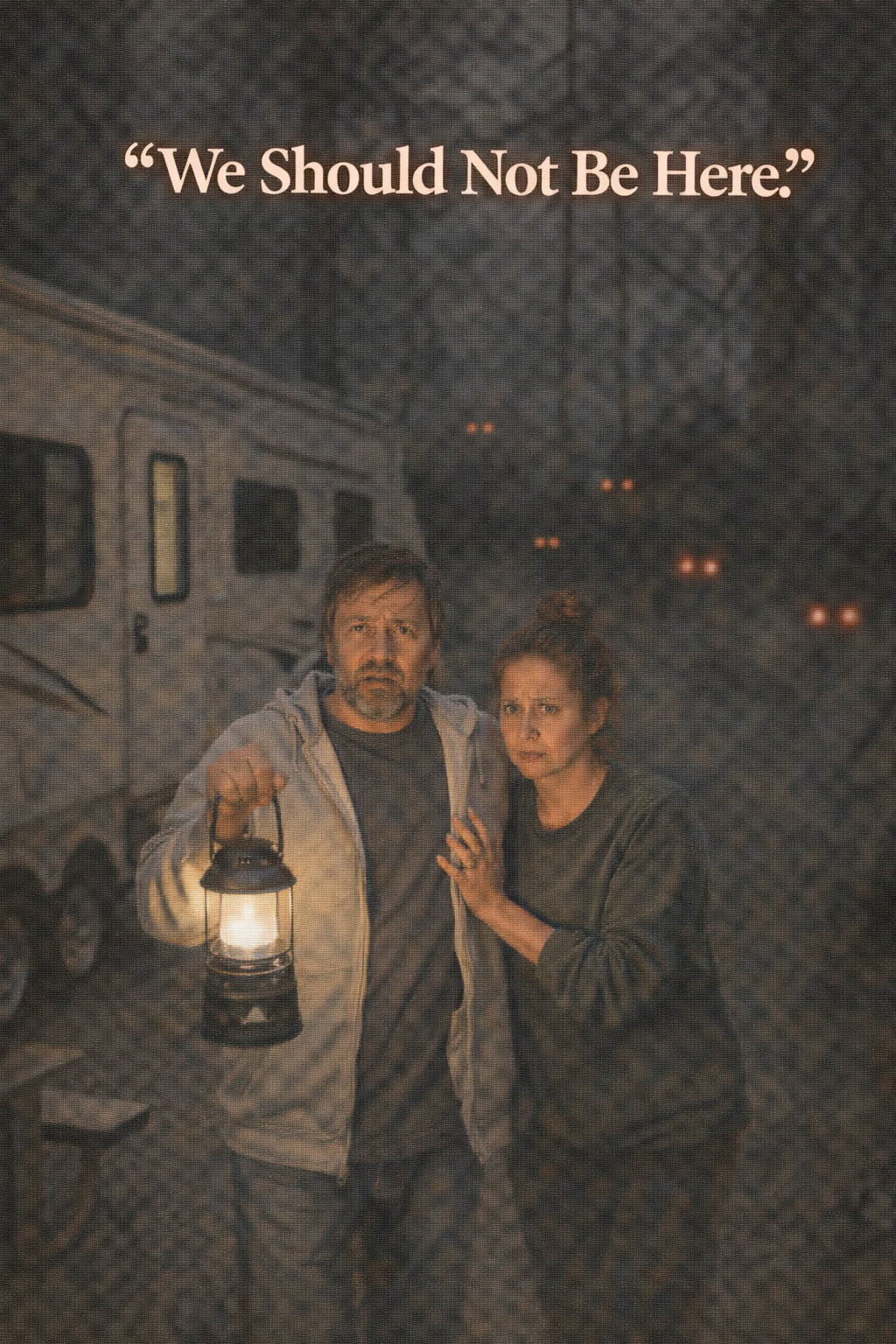
(The thought that arrives precisely when turning around is no longer an option.)
You don’t say it out loud at first.
You just feel it.
The road narrows.
The turn sharpens.
The trees lean in like they’ve been waiting.
And somewhere deep in your chest, a calm, clear thought forms:
We should not be here.
Not lost exactly.
Not broken.
Just… misplaced in a way that feels administrative.
🚐 1. It Started Reasonably Enough
The GPS said this was the way.
The sign didn’t say no.
The road technically existed.
There was no obvious moment of failure—just a slow realization that this route was designed for:
-
smaller vehicles
-
braver souls
-
or people with nothing to lose
You kept going because stopping felt worse.
🛣 2. The Road Is Narrower Than Your Confidence
The pavement fades.
The shoulder disappears.
Your mirrors are suddenly very important.
Every oncoming vehicle feels like a negotiation.
Every bend feels like a test you didn’t study for.
You sit straighter.
You grip the wheel.
You stop enjoying the scenery entirely.
🌲 3. The Trees Feel Judgmental
They’re not aggressive.
They’re just… close.
Close enough to:
-
question your clearance
-
brush your nerves
-
and remind you of your roof height
You apologize to branches you haven’t touched.
You promise yourself you’ll “check routes better next time.”
This is growth.
📡 4. The GPS Goes Quiet (Which Is Rude)
No warnings.
No recalculating.
Just calm instructions like:
“Continue for 8 miles.”
Eight miles of this.
You briefly consider:
-
pulling over (impossible)
-
turning around (worse)
-
questioning past decisions (productive, but late)
You keep going. You must.
🧠 5. Your Brain Switches to Survival Mode
You are no longer thinking about:
-
dinner
-
arrival time
-
or whether the campsite has good shade
You are thinking about:
-
clearance
-
traction
-
curves
-
and whether this road ends in a story or a lesson
This is not panic.
This is focus.
🚗 6. The Locals Drive It Like It’s Nothing
A small car appears.
It moves confidently. Quickly.
This does not help.
They belong here.
You are visiting under questionable circumstances.
You wave politely while reassessing your life choices.
😅 7. You Will Downplay This Later
When it’s over, you’ll say: “The road in was a bit sketchy.”
A bit.
You will not mention:
-
the silence
-
the calculations
-
the internal negotiations
-
or the moment you considered stopping time
You survived. That’s the headline.
🧠 8. You Learn Something Important
You learn:
-
not all roads are equal
-
legal does not mean comfortable
-
and checking access matters more than views
This experience upgrades your planning instincts permanently.
That’s not trauma.
That’s education.
💬 Final Thoughts
“We should not be here” isn’t failure.
It’s awareness arriving late.
You didn’t make a reckless choice.
You made a reasonable one with incomplete information.
And you handled it.
You stayed calm.
You drove carefully.
You got through it.
Next time, you’ll plan differently.
But this time? You earned the story.
🐟 Want fewer “why are we on this road?” moments? Use Campground Views to preview access roads, turns, grades, and approach conditions before you book—so the surprise stays in the scenery, not the drive.
🔗 Follow us for more RV life truths, route-planning humor, and content for people who’ve absolutely thought, “This feels incorrect,” and kept going anyway.