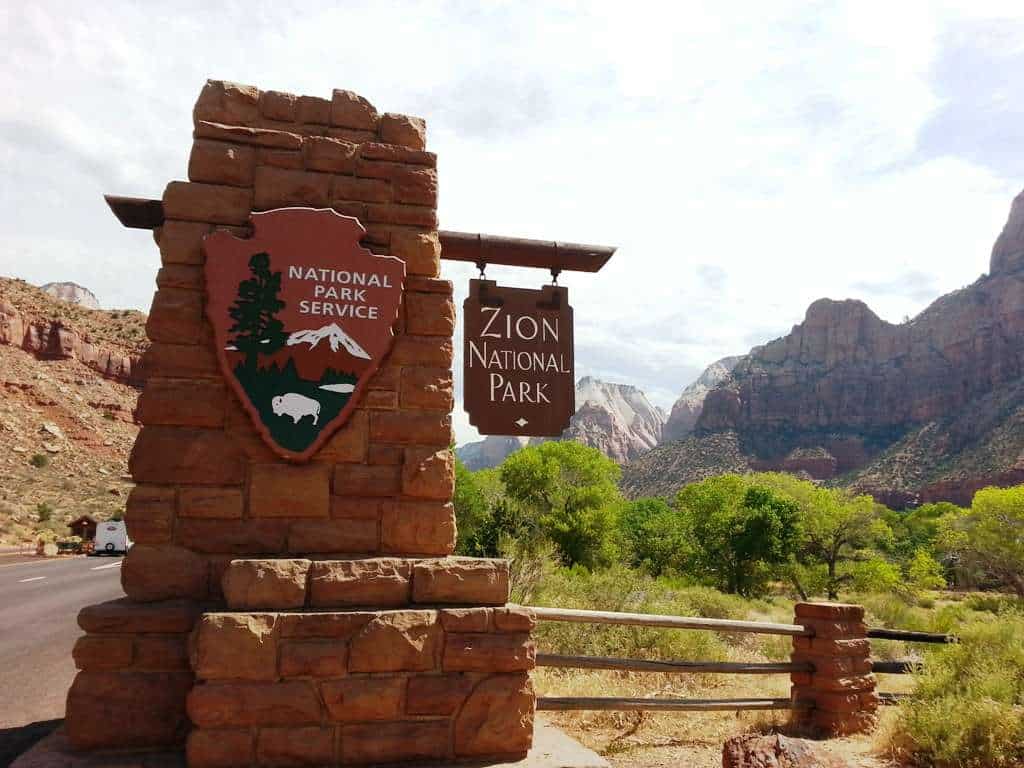
The National Park Service has proposed a peak season fee increase to $70 per vehicle, $30 per person (walk-in/ bike in), and $50 per motorcycle at 17 of the most popular National Parks (with some increases starting as soon as this next summer season!). The 17 parks included in this fee increase are:
- Acadia National Park (ACAD)
- Arches National Park (ARCH)
- Bryce Canyon National Park (BRCA)
- Canyonlands National Park (CANY)
- Denali National Park (DENA)
- Glacier National Park (GLAC)
- Grand Canyon National Park (GRCA)
- Grand Teton National Park (GRTE)
- Joshua Tree National Park (JOTR)
- Mount Rainier National Park (MORA)
- Rocky Mountain National Park (ROMO)
- Olympic National Park (OLYM)
- Sequoia and Kings Canyon National Park (SEKI)
- Shenandoah National Park (SHEN)
- Yellowstone National Park (YELL)
- Yosemite National Park (YOSE)
- Zion National Park (ZION)
A public comment period has been opened and you can submit your comment online by clicking here.
I submitted our public comment and the following is the text of our statement:
"NO to the proposed fee increase.
The proposed fee increases are short sighted and negatively impact individuals in lower income brackets effectively making these target parks the "playground of the rich" during peak seasons. The fact sheet claims the fee increase will raise up to $70M in additional revenue. Frankly that sum is not enough to justify the significant impact on access to the parks and the negative publicity of such a move.
At Campground Views we recently released an analysis of what campers look for and expect when parks raise their fees. The findings showed that guests became physically enraged with the suggestion of fee increases without an immediate reason for such. I suggest the NPS do the same. Ask your audience what they would expect in order to justify such a massive fee increase. Simply raising the fees "to improve facilities and infrastructure and to provide an enhanced level of service" is unacceptable as a reasoning.
The proposers of this increase should be required to demonstrate that the fee increase is needed. You provided a fact sheet but that sheet is missing a breakdown of the full funding provided to each park and a breakdown of how those monies are spent. Adding $70M in to a broken system does not fix it.
An example of mismanagement/ misuse of funds is provided by Yellowstone. The park recently spent $21,000,000 to build a "new Old Faithful Visitor Education Center". The building is really nice and very fancy BUT a complete waste of resources. Yellowstone did not "need" this building. It served to make it easier on the park administrators while only providing a tangential benefit to visitors. These types of productions need to be stopped with resources focused on the true needs of your guests (roads, walkways, parking and lodging (specifically camping).
As an alternative suggestion I advise NPS and the Dept of the Interior to stop and query their user base on what they need, want and are willing to pay for. From this analysis, performed at each park, the agency can then develop a more holistic plan for funding and managing those funds."
Further Discussion: What is the Fee Increase Really About
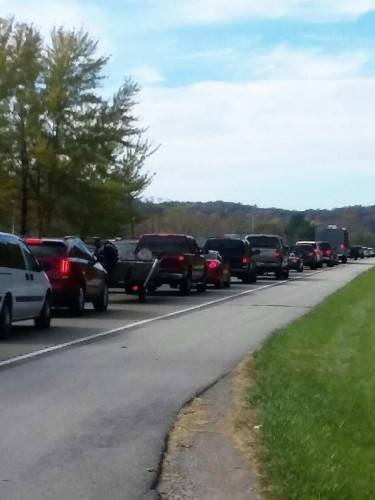
The National Park Service is facing a difficult operating environment. As many of our members are aware the major National Parks have been insanely over-crowded during peak season the last 3 years. The increased visitors has placed a perceived burden on park administrators who are now demanding more resources for park development and management. The solution now presented is to make entrance fees in to the park so high that only those willing to pay a high rate can get in. The goal is for lower attendance and more revenue... effectively operating the parks like an amusement park business.
As stated in our public comment this proposal is very short sighted and will negatively impact the perception of the National Parks. The fee increase is ostensibly argued for as a method to increase revenue but the structure and timing of the increase, during peak seasons, is nothing more than a demand based pricing schedule as implemented by a fifth grader. A true demand based pricing schedule would analyze a deeper matrix of use habits, visitation levels, and pricing influences to set a more dynamic pricing table to stabilize visitor levels.
A perfect example of this is Disney branded theme parks. That organization during peak seasons may have 3-4 different prices available during any given week. The company through its historical sheets and pre-order captures is able to predict demand for access on any given day well in advance, post a fee calendar by day, and ensure a more consistent experience for all users. It can be argued that the National Parks are like Disney, we all have witnessed people treating them as such "sit on the buffalo while I take your pictures dear!", but unlike Disney the park staff do not have the data systems in place to properly implement a demand based pricing schedule.
This brings us to the first obvious question that needs to be addressed by the NPS "is this proposal truly as stated "to improve facilities and infrastructure and to provide an enhanced level of service" OR is it really an attempt to create a demand based pricing schedule?"
Current Funding for National Parks
The National Parks currently receive their funding from 2 primary sources. 1. Entrance fees 2. Budget allocation from Congress. The entrance fees primarily stay at that park. The busier a park the more it brings in. For the budget allocation from Congress that is a trickle down from the Department of the Interior and allocated out to the sub-agencies to help fund goals. The previous administration placed an emphasis on Climate Change, Social Engineering and related causes. A significant portion of the budget was eaten up by pet projects not specific to the maintenance of the parks.
Under the current administration, missed by many, the budget allocated to the National Park Service will increase by $190,500,000 with $150,500,000 set aside for deferred maintenance projects. In addition the NPS states "the 2017 President's current budget request for NPS of $3.1 billion is $250.2 million above the 2016 enacted level. The NPS estimates total staffing will equal 20,486 full time equivalents in 2017, an increase of 281 FTE from 2016. The 2017 President’s budget request provides programmatic changes over 2016 totaling$240.1 million to fund essential programs and emerging operational needs and $12.1 million in fixed costs.
So if the NPS just received, budget passed today, this budgeted amount of money (our tax-payer dollars) why are we also being asked to pay more in entry fees?
Is There More to This?
There is more to this request than meets the eye. The public nature of the request and the fact that it will be re-soundly objected to by the general public makes us believe that this is a ruse. The current Secretary of the Interior Ryan Zinke has been very vocal about his desire to start operating the parks more like businesses. This transition in operational nature requires a significant kick in the pants by engaging the public. Nothing engages the public more than threatening to increase the rates this rapidly and greatly. Our guess is that there is no expectation for this fee increase to actually be enacted.
Instead we believe the end goal is to start engaging the public on ideas for privatizing or creating public/ private partnerships to start off-setting some of the costs (and benefits) from the federal charter. Time will tell if we are accurate in this guess but for now your comment is absolutely needed on this subject.
Submit your comment online by clicking here.
Have thoughts or questions on this? Login and comment below