Ensuring the security of your motorhome is paramount, especially when you're on the road exploring new destinations. One convenient and effective way to enhance your motorhome's security is by installing a keyless RVLock. In this step-by-step guide, we'll walk you through the straightforward process of upgrading your motorhome's security with a keyless RVLock, a super easy and practical enhancement for your home on wheels.
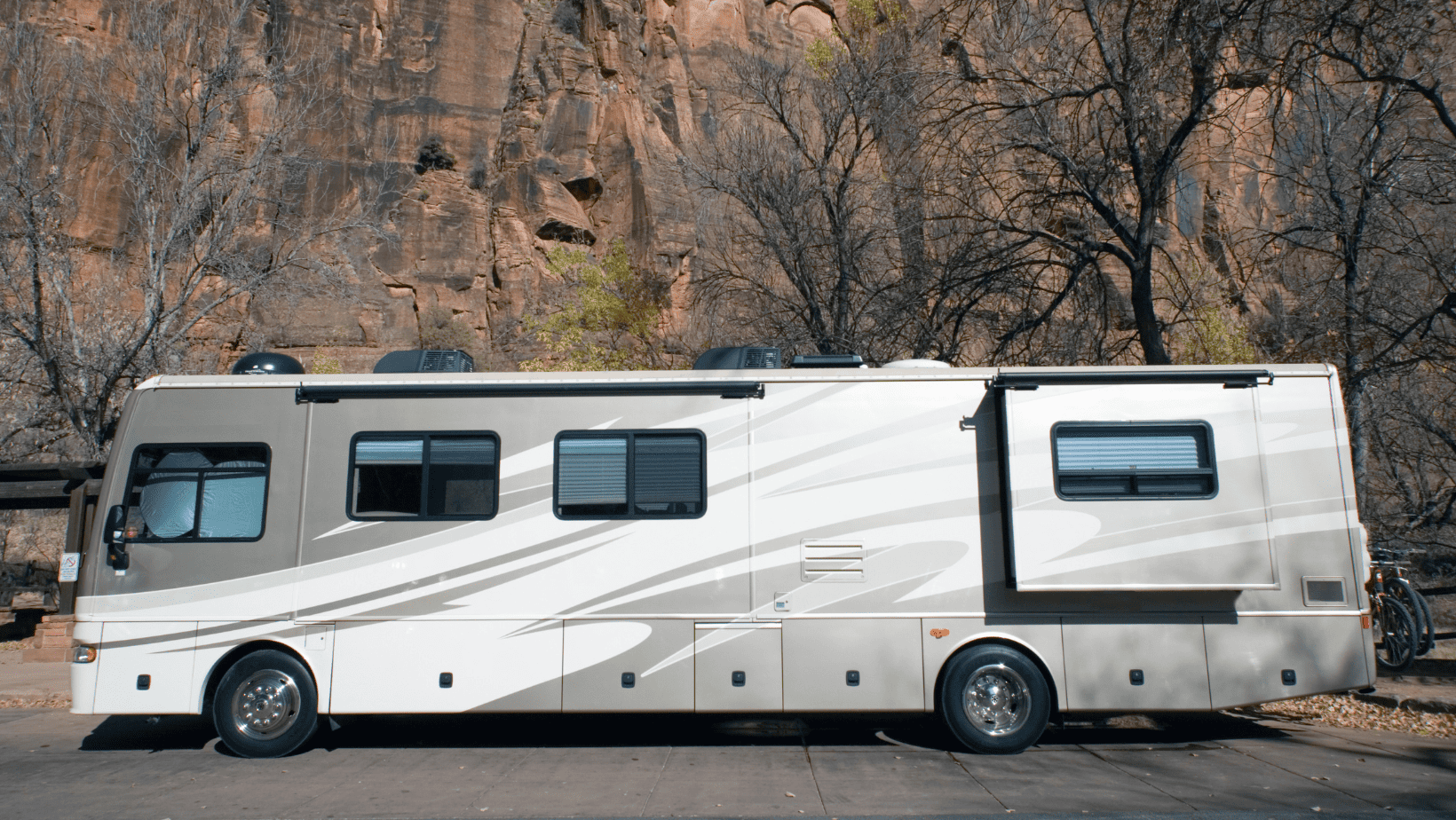 The Benefits of a Keyless RVLock
The Benefits of a Keyless RVLock
- Convenience: No more fumbling for keys. A keyless RVLock allows you to enter and exit your motorhome with ease using a PIN code or remote control.
- Enhanced Security: Keyless RVLocks often provide better security features than standard locks, including auto-locking capabilities and tamper alerts.
- Accessibility: Keyless entry is especially convenient for individuals with mobility issues, as it eliminates the need to turn keys or handle traditional locks.
- Keyless RVLock kit
- Screwdriver
- Drill (if necessary)
- Silicone sealant
- If your motorhome already has a lock, carefully remove it using a screwdriver.
- Follow the manufacturer's instructions for your specific lock model.
- Typically, you'll need to align the lock's mounting holes with the existing holes on your motorhome's door.
- Secure the lock in place using the provided screws.
- If your keyless RVLock requires wiring, connect it to the appropriate power source according to the instructions.
- Program your desired PIN code into the lock as instructed by the manufacturer.
- Ensure your PIN code is memorable but not easily guessable.
- Ensure the lock operates smoothly and that your PIN code grants access.
- Test the remote control if your lock includes one.
- Apply silicone sealant around the lock's edges to prevent water infiltration and ensure a watertight seal.
- Explore any additional security features your keyless RVLock may offer, such as tamper alerts or auto-locking settings.
- Regular Checkups: Periodically inspect your keyless RVLock for loose screws, damaged components, or signs of wear.
- Battery Replacement: If your lock is battery-powered, replace the batteries as needed to prevent lockouts due to power failure.
- User Code Updates: Change your PIN code periodically for added security.
- Remote Control Care: If your lock comes with a remote control, keep it in good working condition by replacing batteries and storing it in a secure place.