If you're an RV owner or someone who frequently tows a trailer, you may wonder whether you need to stop at weigh stations during your travels. Weigh stations are designed to ensure road safety and compliance with weight regulations. In this guide, we'll explore the rules and regulations related to weigh stations and provide clarity on when you should or shouldn't stop with your RV or trailer.
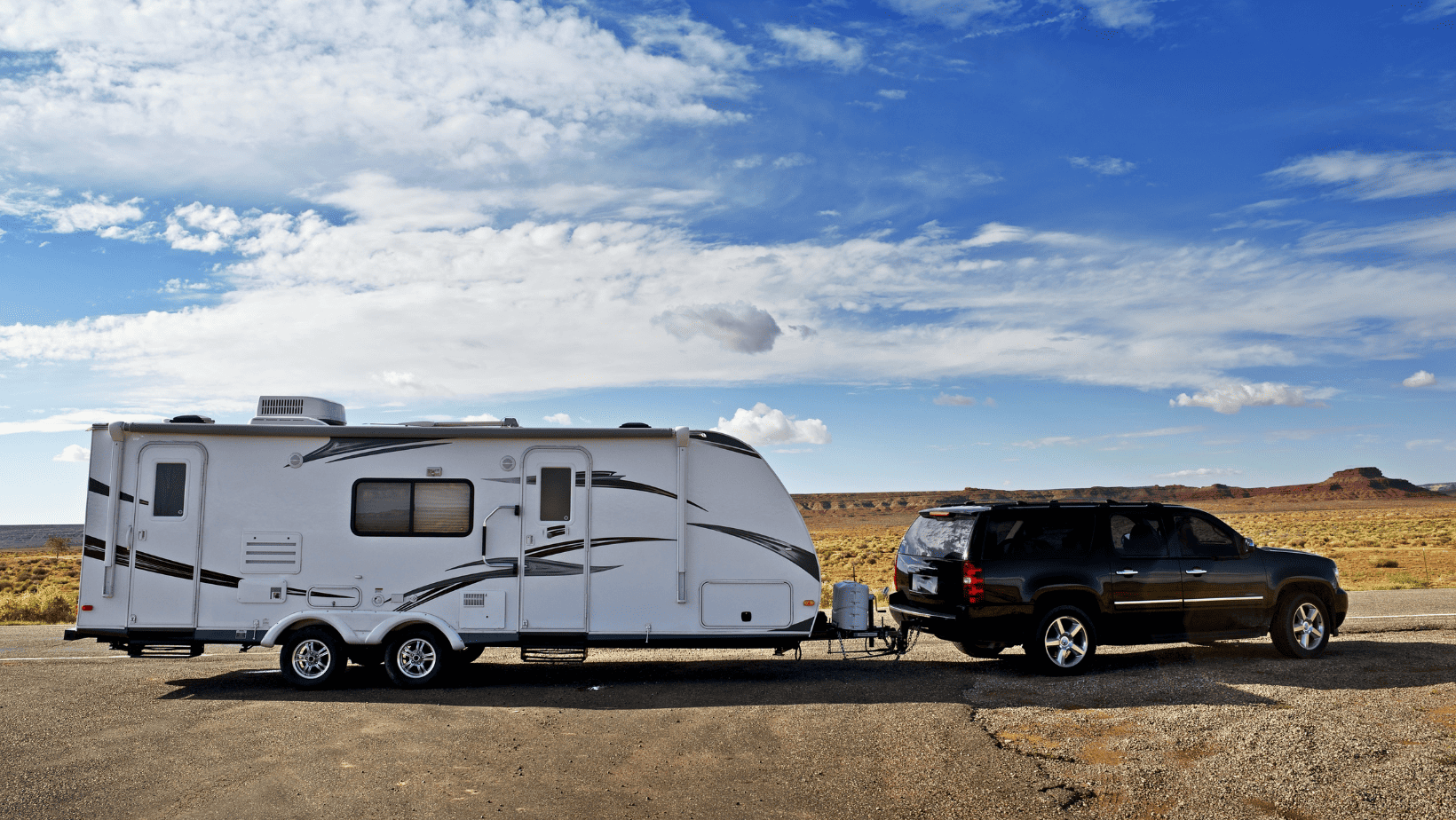
Weigh Stations for RVs and Trailers:
1. Gross Vehicle Weight Rating (GVWR):
- RVs: If you're driving a motorhome (Class A, B, or C), you typically don't need to stop at weigh stations solely based on the GVWR of your RV. RVs are considered recreational vehicles, and most states exempt them from weigh station requirements.
- Trailers: For trailers, it's essential to check the GVWR. If the combined weight of your trailer and towing vehicle exceeds the designated threshold, you may be required to stop at weigh stations.
2. State Regulations:
- Varies by State: Weigh station rules can vary by state. It's crucial to familiarize yourself with the regulations of the states you plan to travel through. Some states may have different criteria for weigh station stops.
3. Commercial vs. Non-Commercial Use:
- RVs for Personal Use: RVs used for personal, recreational purposes typically fall under the non-commercial category. You're less likely to be required to stop at weigh stations unless your RV exceeds specific weight limits.
- Commercial Trailers: If you're towing a trailer for commercial purposes, you'll likely need to follow commercial vehicle regulations, including stopping at weigh stations.
4. Combination Vehicles:
- Towable RVs: If you're towing an RV, the combination of the RV and towing vehicle's weight will determine whether you should stop at weigh stations. Ensure you're aware of the total weight and the regulations in each state you travel through.
5. Safety Precautions:
- Optional Stops: Even if you're not legally required to stop at weigh stations, it's a good practice to stop if you have concerns about your vehicle's weight. This can help ensure your safety and the safety of others on the road.
6. Agriculture and Special Permits:
- Special Cases: In some cases, agricultural vehicles and oversized loads may require special permits or have specific weigh station requirements. Always check with local authorities if you have unique circumstances.
7. RV Associations and Resources:
- Consult with RV Associations: RV associations and organizations can provide valuable resources and guidance on weigh station regulations for RVers. Consider reaching out to them for assistance.
Understanding the rules and regulations regarding weigh stations for your RV or trailer is essential for safe and compliant travel. While many RV owners can bypass weigh stations based on the recreational nature of their vehicles, it's crucial to be aware of state-specific requirements and your vehicle's weight limits. Always prioritize safety and consider optional weigh station stops if you have any doubts about your vehicle's weight. Staying informed and complying with local regulations will help ensure a smooth and trouble-free journey during your RV adventures.