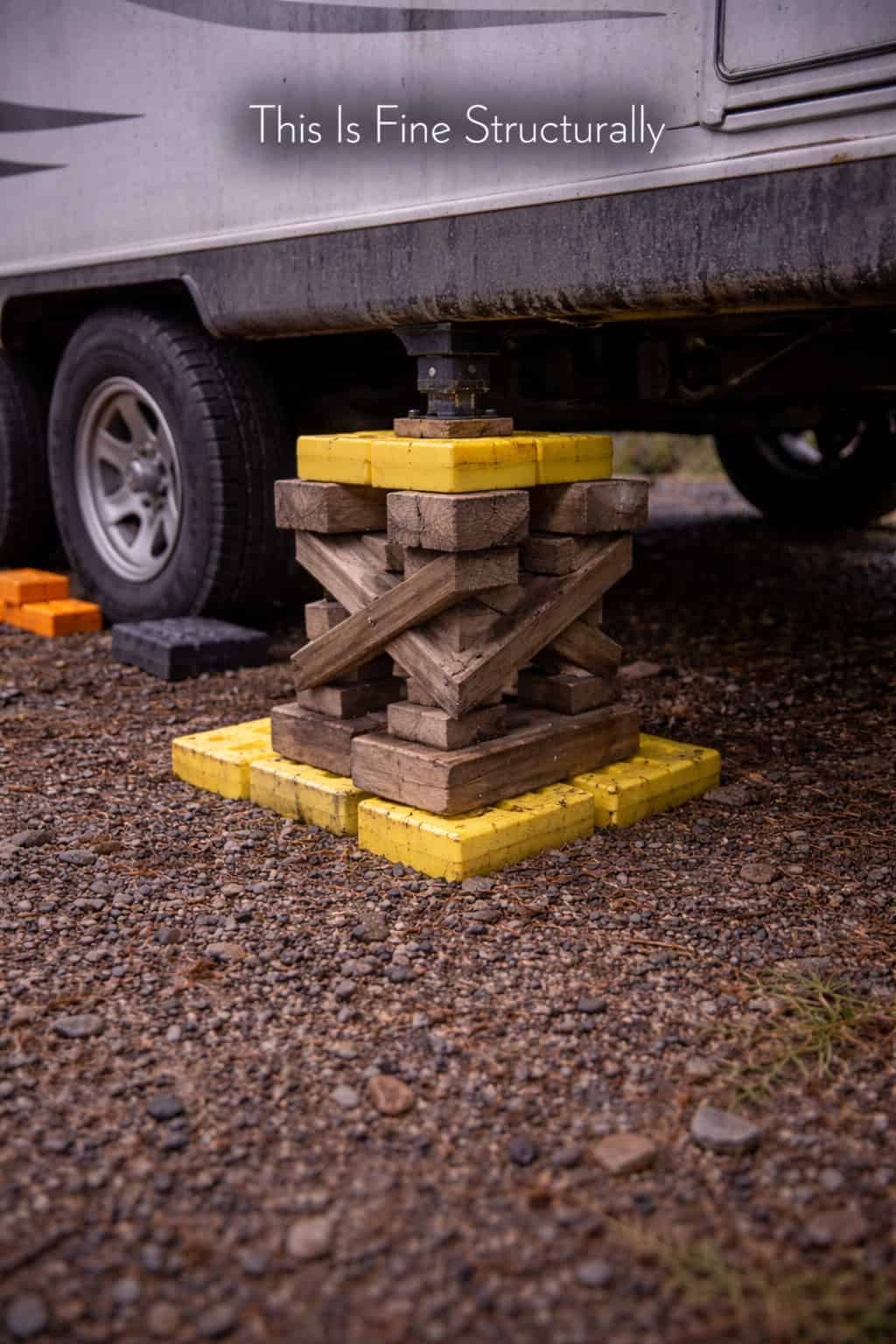
(Integrity has been verified.)
It may not look perfect.
It may not inspire confidence at first glance.
But after a careful pause and a practical inspection, you confirm:
This is fine structurally.
🧠 1. Cosmetic ≠ Critical
There’s a difference between:
-
aesthetic discomfort
-
functional instability
This falls into the first category.
And that’s manageable.
🔄 2. Load Has Been Assessed
Weight distribution? Acceptable.
Balance? Holding.
Movement? Within tolerance.
You’ve run the internal checklist.
Nothing alarming responded.
😅 3. It Looks Worse Than It Is
That’s often the case.
Angles exaggerate. Lighting lies. Perspective dramatizes.
But the structure itself? Sound.
🧭 4. You Trust the Physics
Not blindly.
You observed:
-
pressure points
-
anchor positions
-
support integrity
The fundamentals are intact.
🛠 5. Further Reinforcement Would Be Symbolic
You could add more. Tighten again. Over-secure.
But at this point, that would be for nerves—not necessity.
🧠 6. Saying It Calms the Room
“This is fine structurally.”
That sentence:
-
stops escalation
-
ends the overthinking
-
restores proportion
Everyone relaxes slightly.
🧘 7. Monitoring Continues Quietly
Structural confidence doesn’t mean neglect.
You remain:
-
aware
-
attentive
-
ready
But not tense.
🧠 8. The Structure Will Hold
And when it does, this moment will feel unnecessary in hindsight.
That’s how you know the assessment was right.
💬 Final Thoughts
“This is fine structurally” isn’t denial.
It’s evaluation.
You separated appearance from integrity and chose calm over overreaction.
That’s not wishful thinking.
That’s applied experience—with steady hands.
🐟 Want fewer moments where you question structural reality? Use Campground Views to preview terrain, slope, and setup space before you arrive—so your structure starts strong.
🔗 Follow us for more RV life truths, physics-aware humor, and content for people who’ve absolutely tapped something twice and said, “Yep. That’ll hold.”