Introduction
One of the key decisions RV enthusiasts face when planning their travels is whether to tow a trailer or haul a toad (towed vehicle) behind their motorhome. Both options come with distinct advantages and considerations, making the choice a significant factor in the overall RVing experience. In this guide, we'll explore the pros and cons of towing a trailer versus hauling a toad, helping you make an informed decision based on your preferences and travel needs.
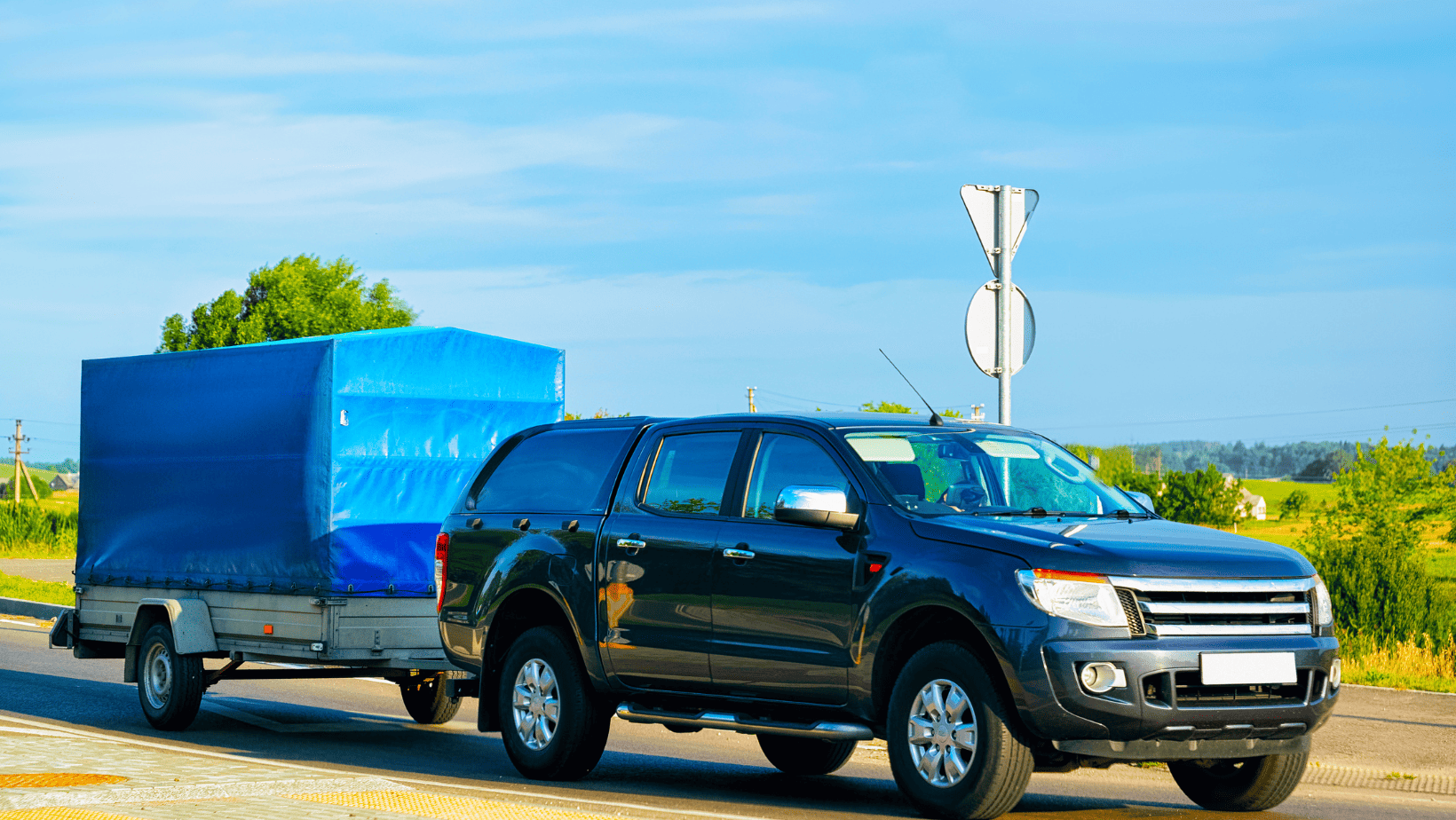 Towing a Trailer
Pros:
Towing a Trailer
Pros:
- Increased Living Space: Towing a trailer provides additional living space, allowing for more amenities and storage options.
- Versatility: Trailers come in various types, such as travel trailers, fifth wheels, and toy haulers, offering versatility to suit different preferences and travel styles.
- Separate Vehicle: With a trailer, you have a separate vehicle to explore your destination, freeing you from the need to disconnect your RV when you want to go sightseeing.
- Easier Backing Up: Trailers generally offer more straightforward backing-up maneuvers compared to towing a toad, making parking and maneuvering in tight spaces more manageable.
Cons:
- Towing Restrictions: Some areas may have restrictions or regulations on the length of vehicles allowed, limiting your options when towing a trailer.
- Additional Costs: Towing a trailer requires additional equipment such as a trailer hitch, brake controller, and potentially a larger RV for towing capacity, leading to higher upfront and operational costs.
- Learning Curve: Maneuvering and towing a trailer may have a steeper learning curve for those new to RVing.
Hauling a Toad (Dinghy Towing)
Pros:
- Compact and Nimble: A towed vehicle (toad) is typically smaller and more maneuverable, making it easier to navigate through tight spaces and city streets.
- Cost-Effective: Dinghy towing often involves fewer upfront costs, as it requires a tow bar and baseplate for the toad, which is generally less expensive than the equipment needed for towing a trailer.
- Better Fuel Efficiency: Towing a smaller vehicle tends to have a lesser impact on fuel efficiency compared to towing a larger trailer.
- Flexibility: You can disconnect the toad easily, giving you more flexibility to explore your destination without bringing the entire RV.
Cons:
- Limited Living Space: Hauling a toad means sacrificing the additional living space and storage that comes with towing a trailer.
- Installation and Setup: Setting up a toad for towing involves installing a tow bar and baseplate, which can take some time and effort.
- Backing Up Challenges: Maneuvering with a toad can be more challenging, especially in tight spaces or when backing up.
Choosing Between Tow Toad and Dinghy: Considerations
- Travel Style: Consider your preferred travel style. If you plan to stay in one location for extended periods, a trailer might be more suitable. For frequent exploration and shorter stays, a toad could be more convenient.
- RV Size and Type: The size and type of your RV play a crucial role in determining whether it can tow a trailer and what size trailer is suitable.
- Budget: Assess your budget for upfront and ongoing costs. Dinghy towing is generally more budget-friendly, but it may depend on the specific equipment needed for your toad.
- Maneuvering Skills: Evaluate your comfort and skills in maneuvering a trailer or towing a toad. If you're new to RVing, a toad might be a more straightforward option.
- Destination Considerations: Some destinations may have restrictions on the length of vehicles allowed. Check the regulations of the areas you plan to visit.
Conclusion
Choosing between towing a trailer and hauling a toad involves weighing the advantages and disadvantages based on your specific needs and preferences. Whether you opt for the increased living space of a trailer or the compact flexibility of a toad, both options open up a world of travel possibilities for RV enthusiasts.