Introduction
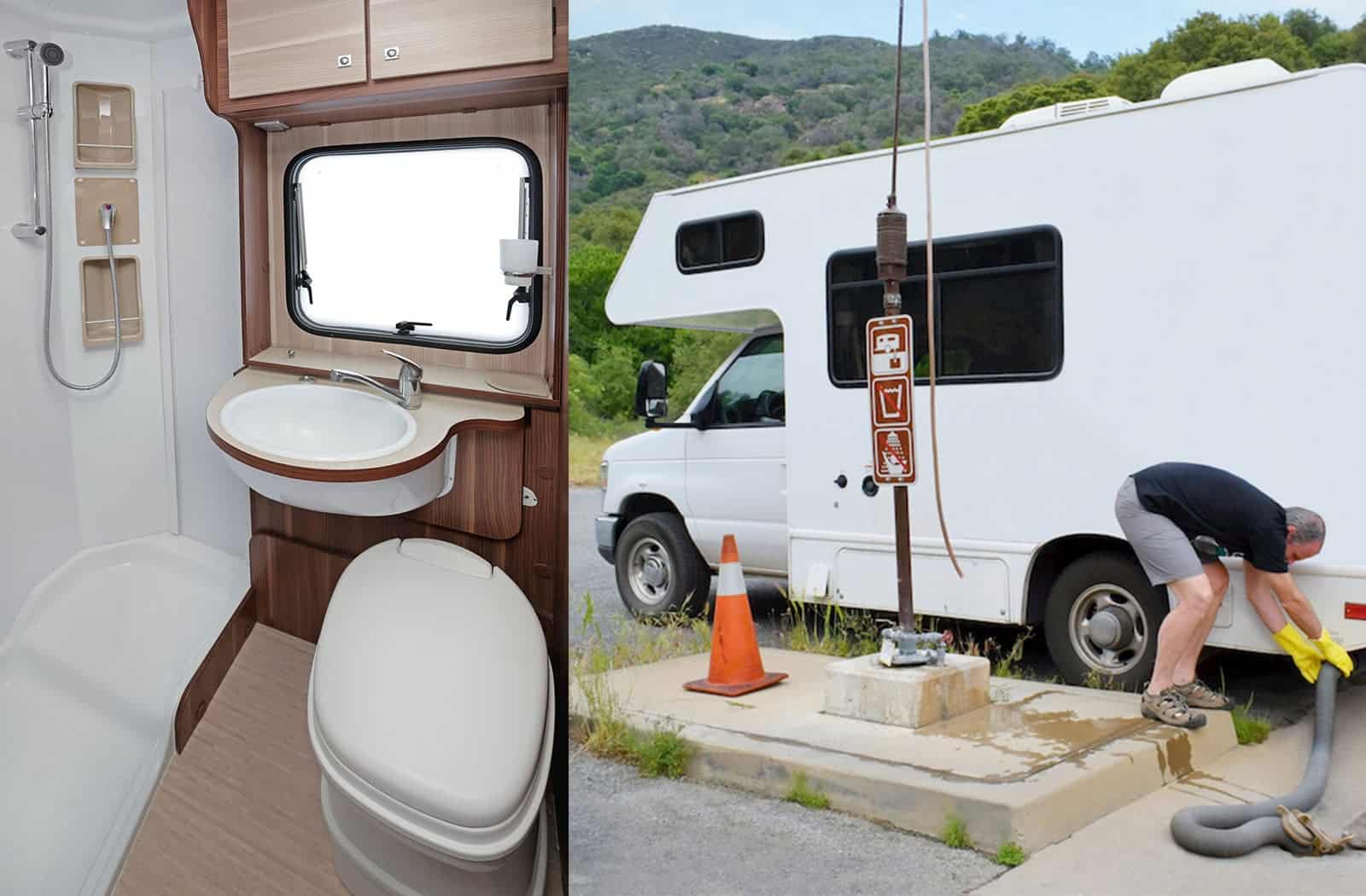
The tranquility of an RV journey can be quickly disrupted when you encounter a persistent issue like a running RV toilet. Whether you're out on the open road or parked at a campsite, a continuously running toilet can lead to water wastage and discomfort. In this article, we'll explore the common causes of a running RV toilet and provide step-by-step troubleshooting and solutions to help you regain a peaceful and water-efficient RV experience.
 Understanding the RV Toilet
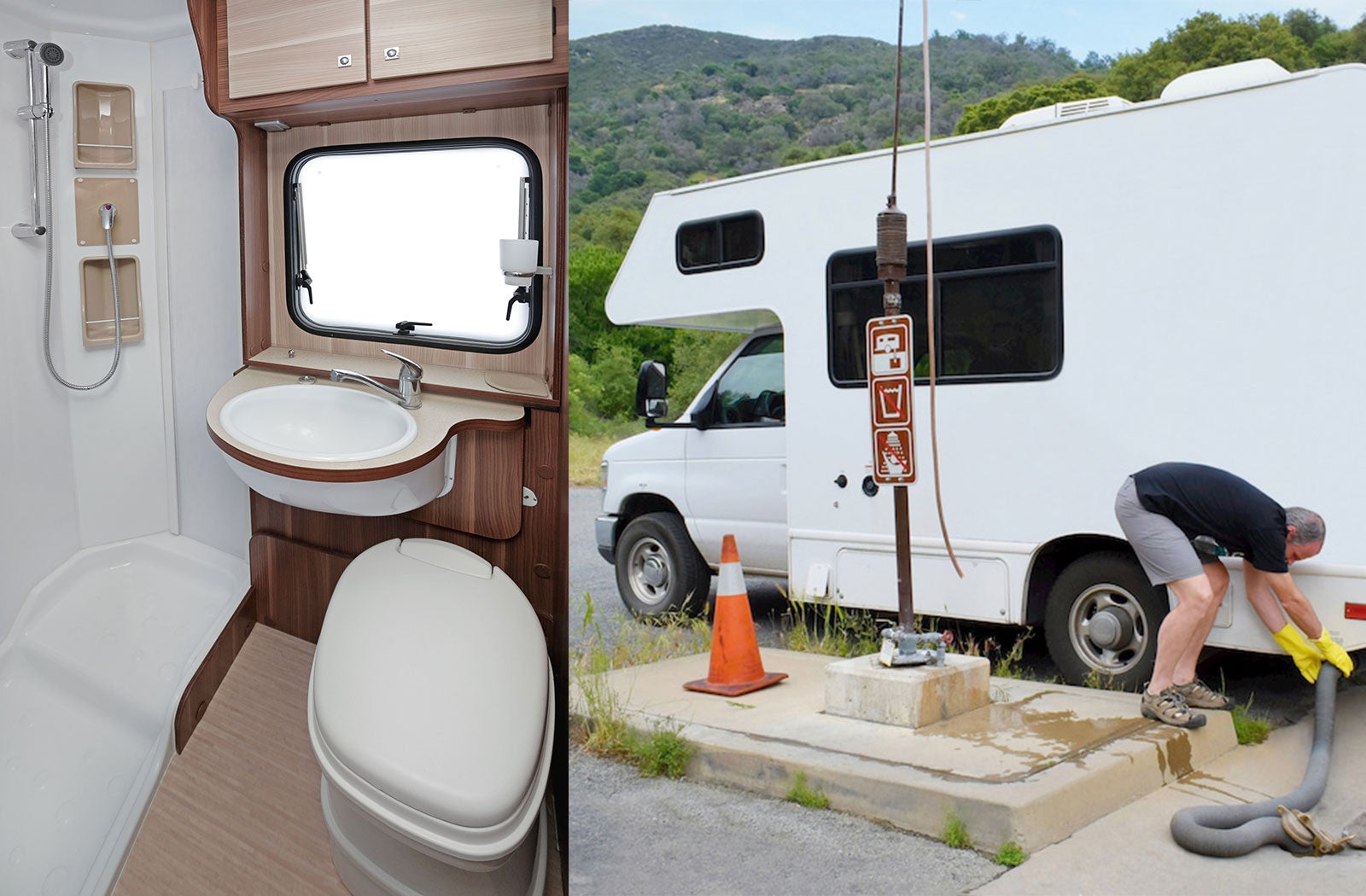
RV toilets, unlike traditional household toilets, are designed for mobile use and have unique components. They come in various types, including gravity-flush toilets, macerator toilets, and composting toilets. The design and operation of your RV toilet may impact the reasons it keeps running.
Common Causes of a Running RV Toilet:
- Flapper Seal: The flapper seal is a rubber component at the base of the toilet's flush valve. If it's damaged or worn, it can allow water to continuously flow from the tank into the bowl.
- Water Pressure: Inconsistent water pressure can lead to a running toilet. If the water pressure is too low or too high, it can affect the toilet's proper functioning.
- Leaky Flush Valve: The flush valve is responsible for controlling the flow of water into the bowl. A leaky flush valve may allow water to escape continuously, leading to a running toilet.
- Debris and Blockages: Debris or mineral buildup in the toilet's flush valve or water inlet can interfere with the sealing and cause a continuous flow of water.
Troubleshooting and Solutions:
- Check the Flapper Seal:
- Lift the toilet's tank lid and inspect the flapper seal.
- If you notice any damage or deterioration, replace the flapper seal. Most RV stores carry replacement parts for common toilet models.
- Examine Water Pressure:
- Ensure that the RV's water pump is functioning correctly.
- Adjust the water pressure to fall within the recommended range for your specific RV toilet.
- Inspect the Flush Valve:
- Look for any visible signs of leakage around the flush valve.
- If you find a leak, it may be necessary to replace the flush valve or associated components. Consult your RV's user manual for guidance.
- Clean and Remove Blockages:
- Carefully clean the flush valve and water inlet to remove any debris or mineral buildup.
- Use a soft brush or cloth to gently scrub away any residue.
- Check for Leaks and Cracks:
- Inspect the toilet's tank and bowl for cracks, leaks, or other visible damage.
- If you discover any issues, consult an RV service professional for repairs or replacements.
Preventative Measures:
To avoid future issues with a running RV toilet, consider the following preventative measures:
- Regular Maintenance: Periodically inspect and clean the toilet components to prevent blockages and deterioration.
- Use RV-Friendly Toilet Paper: Choose toilet paper designed for RVs to minimize the risk of clogs.
- Avoid Using Harsh Chemicals: Refrain from using harsh chemicals in your toilet system, as they can damage seals and components.
- Educate Guests: If you have guests using your RV, make sure they are aware of how to operate the toilet properly.
Conclusion
A running RV toilet can be a frustrating problem, but with the right troubleshooting and solutions, you can regain control of your RV's water efficiency and enjoy a trouble-free journey. By addressing the common causes and implementing preventative measures, you'll not only resolve the issue at hand but also maintain the longevity and performance of your RV toilet for many adventures to come.