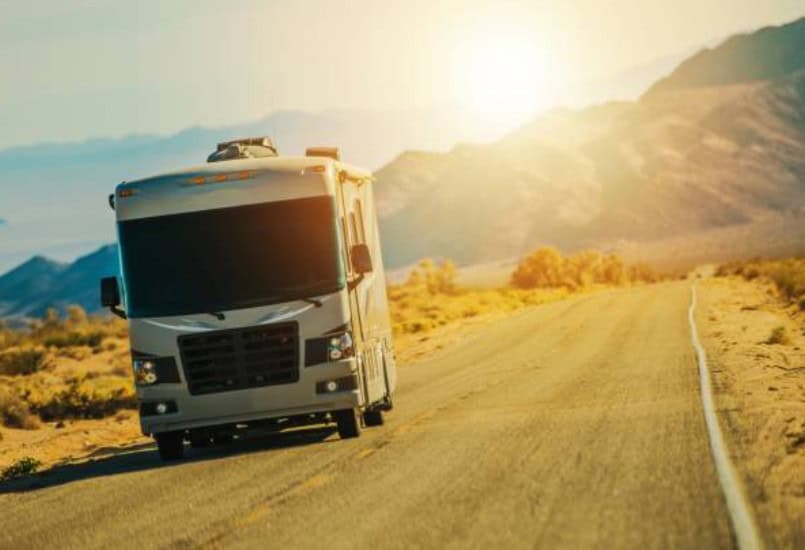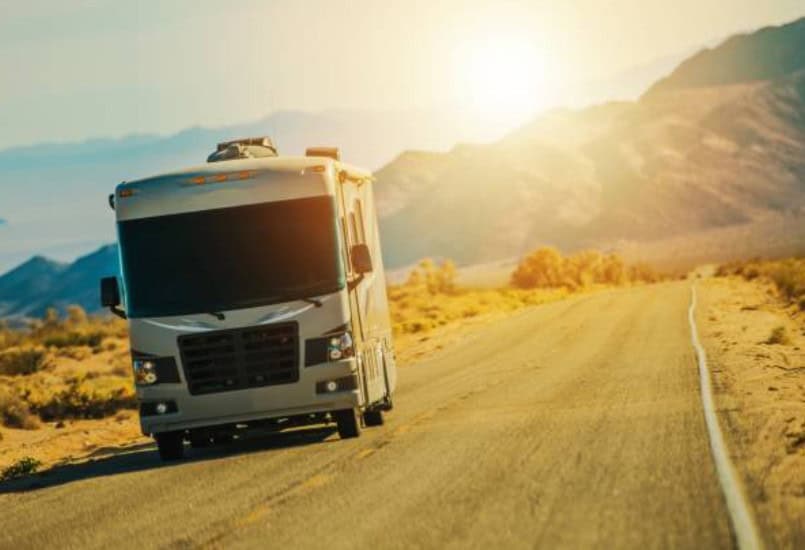
Thinking about RVing but feeling a bit unsure? Maybe you’ve heard that RVs are too expensive, hard to drive, or just plain overwhelming for a beginner. Don’t worry—you’re not alone! There are a lot of myths out there about what it’s like to travel in an RV, but the truth is often much more fun, accessible, and exciting. Let’s debunk the biggest RV myths so you can hit the road with confidence and excitement.
Myth 1: RVing Is Only for Retirees
Many people picture RVers as retired couples slowly cruising across the country. While RVing is popular among retirees, it’s also a fantastic choice for families, young couples, solo travelers, and even digital nomads.
- Families: RVs provide space for kids to play, comfortable sleeping arrangements, and access to the great outdoors.
- Young Adventurers: Road-tripping in an RV is an affordable way to travel and explore multiple destinations.
- Digital Nomads: With Wi-Fi hotspots and solar power, RVs can be mobile offices for remote workers.
The Truth: RVing is for everyone! Whether you’re 25 or 65, there’s a perfect RV adventure waiting for you.
Myth 2: RVs Are Too Expensive
It’s true that buying a luxury RV can cost as much as a house, but there are plenty of affordable ways to enjoy RV travel.
- Renting an RV: Sites like Outdoorsy and RVshare let you rent an RV for a few days or weeks, often at reasonable rates.
- Buying Used: Many well-maintained RVs are available on the used market for a fraction of the cost of new ones.
- Campground Fees: While some campgrounds charge $50 or more per night, you can find free or low-cost options, like public lands or smaller campgrounds.
The Truth: RVing can be as budget-friendly or as luxurious as you want it to be. With careful planning, it’s a cost-effective way to travel.
Myth 3: RVs Are Hard to Drive
Driving a big rig for the first time might feel intimidating, but with a little practice, it’s easier than you think.
- Class C RVs: These are smaller and more maneuverable, making them a great choice for beginners.
- Travel Trailers: If you already have a vehicle with towing capacity, a trailer can be an affordable and manageable option.
- Practice Makes Perfect: Start by driving in an empty parking lot or quiet roads to get the hang of it.
The Truth: You don’t have to be a pro truck driver to handle an RV. Start small and build your confidence—it’s worth it!
Myth 4: RVing Means Giving Up Comforts
Some people think RVing is like roughing it in the wild, but modern RVs are loaded with amenities.
- Comfortable Sleeping: Many RVs come with real beds, not just sleeping bags.
- Full Kitchens: Cook your favorite meals with stoves, microwaves, and refrigerators.
- Bathrooms: Forget outhouses—many RVs have showers and flush toilets.
The Truth: RVing combines the comforts of home with the joys of adventure. It’s not about sacrificing comfort—it’s about taking it with you.
Myth 5: RV Travel Is Too Complicated
Setting up an RV might seem overwhelming, but it’s much simpler than it looks.
- Hookups: Connecting water, electricity, and sewage at a campground is straightforward, especially with a quick lesson or video tutorial.
- Maintenance: Basic RV upkeep, like checking tire pressure and cleaning tanks, is manageable for most people.
The Truth: Once you learn the basics, RV travel becomes second nature. Plus, the RV community is always willing to help newcomers.
Myth 6: RVing Is Lonely
While RVing can be a solitary experience if you prefer it that way, there’s also a vibrant and welcoming RV community.
- Campground Connections: Campgrounds are great places to meet fellow travelers and share stories.
- Online Groups: Join RV forums or social media groups to connect with other RVers before and during your trip.
- Caravanning: Some RVers travel in groups, creating a sense of community on the road.
The Truth: RVing can be as social or as quiet as you want it to be. You’ll never feel alone unless you choose to be.
Myth 7: RVs Are Bad for the Environment
It’s easy to assume that RVs, with their engines and generators, are not eco-friendly, but many RVers take steps to reduce their carbon footprint.
- Solar Power: Install solar panels to minimize generator use.
- Eco-Conscious Camping: Stick to designated campgrounds and follow “Leave No Trace” principles.
- Fuel Efficiency: Choose smaller RVs or towable trailers for better gas mileage.
The Truth: With the right mindset and practices, RVing can be an environmentally responsible way to travel.
Myth 8: RVing Is Only for Long Trips
You don’t need months of free time to enjoy RV travel. Weekend getaways and short road trips are just as rewarding.
- Nearby Adventures: Explore local parks, forests, or campgrounds within a few hours of home.
- Day Trips: Rent a camper van for a single day to see if you like the experience.
- Flexibility: RVs make it easy to extend or shorten trips depending on your schedule.
The Truth: RVing works for any schedule—long trips, weekend escapes, or spontaneous adventures.
Myth 9: RVing Isn’t Safe
Safety is always a concern, but RV travel is generally as safe as any other type of travel.
- Security: Lock your RV when you’re away, and stay in well-lit campgrounds.
- Road Safety: Follow driving rules, keep your RV maintained, and avoid risky roads.
- Emergency Prep: Pack a first-aid kit, spare tire, and roadside assistance plan.
The Truth: With a little preparation, RVing is a safe and secure way to explore.
Final Thoughts
RVing is one of the most exciting and flexible ways to travel, and it’s not as intimidating as it might seem. By debunking these myths, you can see that RV life offers comfort, affordability, and freedom—all while making memories that last a lifetime.
So, what are you waiting for? Your RV adventure is calling! 🚐✨