Introduction
RV travel offers the convenience of a home on wheels, complete with a kitchen equipped with appliances like a microwave. It's a common question among RV enthusiasts whether it's safe and practical to use the RV microwave while the vehicle is in motion. In this guide, we'll explore the considerations and safety aspects of using the RV microwave while driving, helping you make an informed decision for your travels.
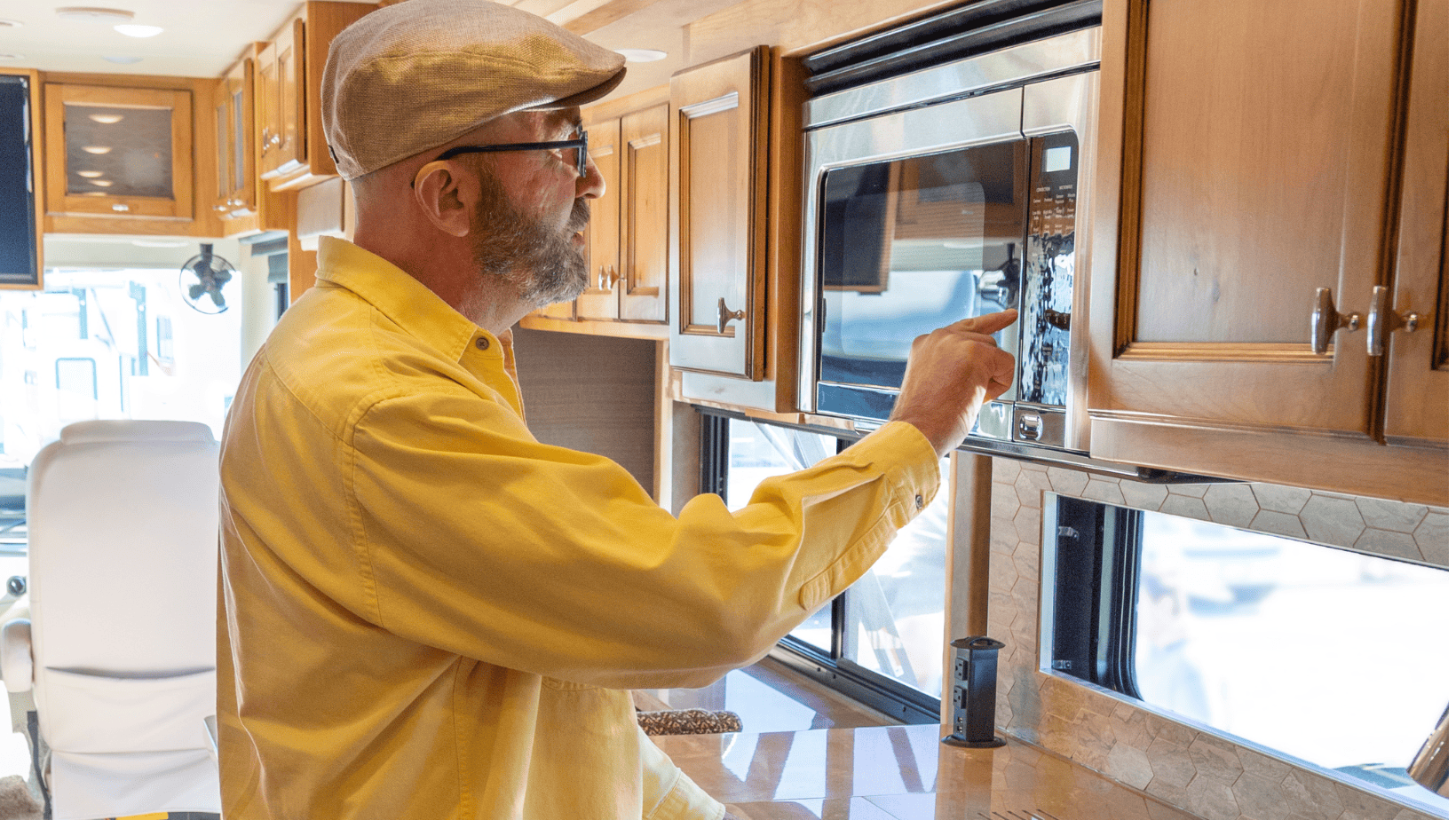 1. The Basics of Using an RV Microwave While Driving
- Power Source: RV microwaves typically require a stable power source, which is typically provided by the RV's generator or an external power hookup.
2. Safety Considerations
- Safety First: The primary concern with using an RV microwave while driving is safety. Cooking appliances can pose risks if not used with caution.
3. Generator or Inverter
- Power Options: To use the microwave while driving, your RV needs a reliable power source. This can be provided by a generator or an inverter.
4. Generator Use
- Running the Generator: Many RVs have built-in generators that can supply power to the microwave while driving. However, this consumes fuel and can be noisy.
5. Inverter Use
- Inverter Setup: Some RVs are equipped with inverters that convert DC power from the batteries to AC power. This can allow you to use the microwave, but it depends on the inverter's capacity.
6. Power Capacity
- Inverter Limitations: Check your RV's inverter capacity. Smaller inverters may not handle the power demands of a microwave, which can lead to system overload.
7. Cooking Safely
- Safety Guidelines: If you choose to use the microwave while driving, ensure your RV is stable, and follow safety guidelines for appliance use.
8. Cooking Duration
- Short Cooking Times: Keep cooking times short to minimize risks. Using the microwave for quick reheating is more advisable than extended cooking.
9. Using the Microwave for Convenience
- Meal Preparation: Using the microwave while stopped at rest areas or campgrounds is a convenient way to prepare meals during travel breaks.
10. Cooking Alternatives
- Alternative Cooking Methods: Consider using a slow cooker, portable stovetop, or prepping meals in advance as alternatives to microwave cooking on the go.
11. Legal Regulations
- State Regulations: Be aware of state-specific regulations regarding cooking while driving. Some states may have restrictions on using certain appliances.
12. Passenger Safety
- Passenger Use: If you have a passenger who can operate the microwave safely, it may be a more practical option.
Conclusion
Using the RV microwave while driving is technically possible, but it comes with considerations and potential safety concerns. The primary factors are the power source, inverter or generator capacity, and safety measures. While it can be done, it's generally more advisable to use the microwave when the RV is parked or at a safe stop, allowing you to enjoy your meals without compromising safety. Always prioritize safety and adhere to relevant state regulations when using appliances while on the road.