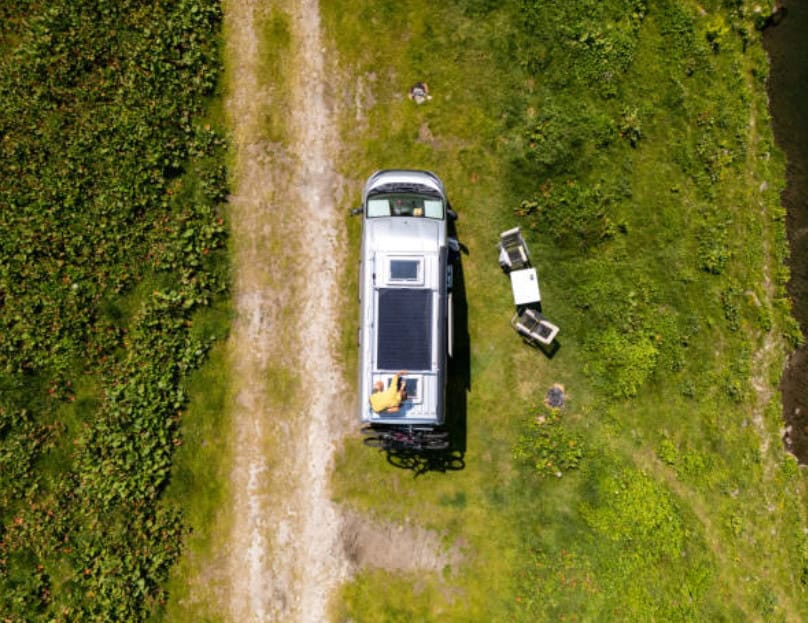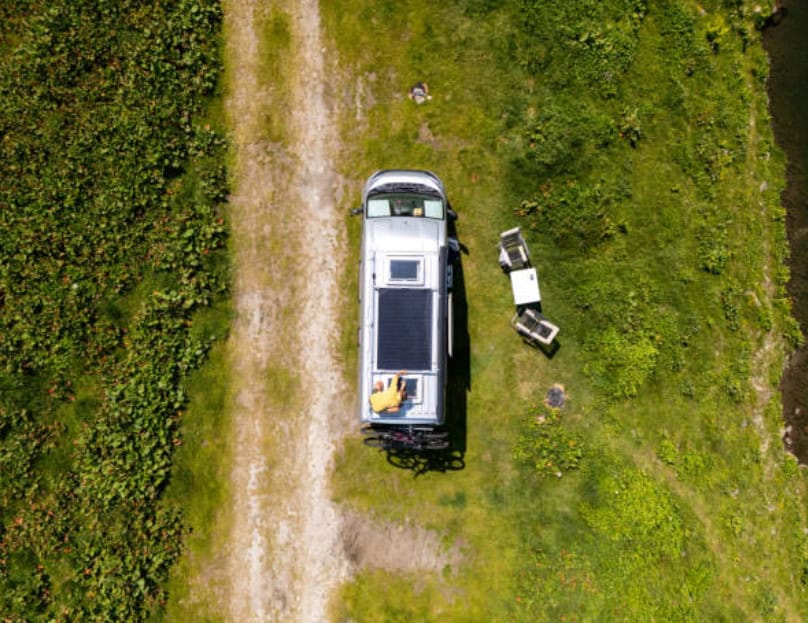
Owning an RV is a gateway to adventure, offering the freedom to explore and the comfort of home wherever you go. However, to keep your RV running smoothly and extend its lifespan, regular maintenance is a must. Whether you’re a full-time RVer or a weekend warrior, this guide will walk you through the essential tips and tasks to keep your home on wheels in top shape.
1. Inspect Your RV Regularly
Routine inspections are your first line of defense against potential issues. Conduct a thorough check before and after each trip to catch problems early.
- Exterior: Look for cracks, dents, or damage to the roof, windows, and siding. Pay close attention to seals and seams to prevent water leaks.
- Tires: Check tire pressure and inspect for signs of wear, cracks, or bulges. Properly inflated tires improve fuel efficiency and safety.
- Undercarriage: Examine the undercarriage for rust or damage, especially after driving through salty or rough conditions.
Regular inspections can save you from costly repairs down the road.
2. Keep Up with Oil Changes
Just like your car, your RV’s engine requires regular oil changes to keep it running smoothly. The frequency depends on your RV type and usage, but a good rule of thumb is every 3,000 to 5,000 miles.
- Gas-Powered RVs: Stick to manufacturer recommendations for oil and filter changes.
- Diesel RVs: These engines may require specialized oils, so consult your owner’s manual.
Neglecting oil changes can lead to poor engine performance and costly repairs.
3. Maintain the Roof
Your RV's roof takes a beating from the elements and is a common source of leaks. A little roof maintenance goes a long way in preventing water damage.
- Inspect Regularly: Look for cracks, punctures, or peeling seals.
- Clean the Roof: Remove dirt and debris with a gentle cleaner designed for RV roofs.
- Reseal When Needed: Use RV sealant to patch up any damaged areas or seams.
Pro Tip: Don’t forget to check around vents, skylights, and air conditioning units, as these are common leak points.
4. Service the Plumbing System
Your RV’s plumbing system ensures fresh water for drinking, cooking, and bathing. Regular maintenance keeps it running smoothly.
- Flush the Water System: Before storing your RV for the winter, drain and flush the water system to prevent freezing and bacteria buildup.
- Sanitize the Water Tank: Use a water-safe sanitizer every six months to keep your drinking water clean.
- Inspect for Leaks: Check hoses, faucets, and seals for any signs of leaks or damage.
Investing in a water pressure regulator can also help prevent burst pipes.
5. Check Electrical Systems
Your RV’s electrical system powers everything from lights to appliances. Ensure it stays in good working condition.
- Battery Maintenance: Clean battery terminals, check water levels (for non-sealed batteries), and charge regularly.
- Inspect Fuses and Breakers: Replace blown fuses and reset tripped breakers as needed.
- Test Outlets and Appliances: Periodically check outlets, air conditioners, and other appliances for functionality.
Consider investing in a surge protector to safeguard your RV’s electronics against power surges at campgrounds.
6. Maintain the HVAC System
Your heating and cooling systems keep your RV comfortable in any season. To ensure they perform at their best:
- Replace Filters: Clean or replace air filters regularly, especially after traveling through dusty areas.
- Inspect the Furnace: Check for rust, debris, or blockages in the vents.
- Service the AC Unit: Clean the condenser coils and ensure proper airflow.
Schedule professional servicing annually to keep your HVAC system in top shape.
7. Protect the Exterior
Your RV’s exterior is exposed to sun, rain, and debris, so keeping it clean and protected is essential.
- Wash and Wax: Wash your RV with a gentle cleaner and apply wax to protect the paint and finish.
- Inspect Windows and Seals: Replace worn-out seals to prevent leaks and drafts.
- Protect Against UV Damage: Use a UV-resistant cover if your RV will be stored outdoors for extended periods.
8. Care for Slide-Outs
Slide-outs add valuable space to your RV, but they require regular maintenance to function properly.
- Clean and Lubricate Tracks: Remove dirt and debris from the tracks and apply lubricant to ensure smooth operation.
- Inspect Seals: Check for cracks or wear in the seals to prevent water intrusion.
- Test Slide-Out Motors: Run the slide-outs periodically to keep the motors in good working order.
9. Prepare for Winter Storage
If you’re not using your RV during the colder months, winterizing it is crucial to avoid damage.
- Drain the Water System: Remove all water from tanks and pipes to prevent freezing.
- Add Antifreeze: Use RV-specific antifreeze to protect the plumbing system.
- Protect the Interior: Clean thoroughly, remove food, and use moisture absorbers to prevent mold and pests.
Proper winter storage ensures your RV is ready to roll come spring.
10. Keep Up with Routine Professional Inspections
While DIY maintenance is essential, some tasks are best left to the pros. Schedule annual inspections to have a professional check the engine, brakes, and other critical systems.
Bonus Tip: Stay Organized
Keep a maintenance log to track completed tasks, upcoming servicing, and any repairs. Staying organized will help you stay on top of your RV’s needs and avoid surprises on the road.
Final Thoughts
Owning an RV is a rewarding experience, but it comes with responsibilities. Regular maintenance not only keeps your RV in top shape but also ensures your safety and enjoyment on the road. By following these tips, you can focus on creating memories and enjoying the freedom of RV life without worrying about unexpected breakdowns. Happy travels!