1. Start Small with an Affordable RV
You don’t need a luxury motorhome to enjoy RVing.
- Rent an RV: For short trips, renting can be more cost-effective than buying. Check out apps like Outdoorsy or RVshare for affordable options.
- Buy Used: If you’re ready to invest, look for older, well-maintained RVs or smaller models like camper vans or teardrop trailers.
- Convert a Van: Feeling adventurous? Convert a used van into a mini RV. It’s budget-friendly and customizable.
Pro Tip: Split the costs of renting or buying with friends to make RVing even more affordable.
2. Choose Budget-Friendly Campgrounds
Campgrounds come in all shapes, sizes, and price ranges, and finding affordable options is easier than you think.
- State and National Parks: These often have campsites for $10-$30 per night, surrounded by incredible scenery.
- Free Camping (Boondocking): Public lands managed by the Bureau of Land Management (BLM) or National Forests offer free camping in many areas.
- Discounts for Students: Some campgrounds offer discounts for students or young travelers, so don’t forget your student ID.
3. Save on Food by Cooking in Your RV
Eating out can add up quickly, but one of the perks of RVing is having a kitchen on wheels.
- Plan Meals: Bring easy-to-cook ingredients like pasta, canned goods, and fresh veggies.
- Pack Snacks: Stock up on snacks like trail mix, granola bars, or fruit to avoid overpriced convenience store items.
- Cook Outdoors: Use a portable grill or campfire for fun, budget-friendly meals.
Pro Tip: Look for local farmers’ markets to get fresh, affordable produce while supporting local communities.
4. Travel Smart to Save on Gas
Gas is one of the biggest expenses of RVing, but there are ways to cut costs.
- Plan Your Route: Stick to efficient routes with minimal backtracking. Use apps like GasBuddy to find the cheapest fuel along the way.
- Drive Slow and Steady: RVs are not built for speed, and driving slower improves fuel efficiency.
- Travel Light: The heavier your RV, the more gas it uses. Pack only what you need.
Pro Tip: Consider exploring one region thoroughly rather than zigzagging across the country to save on gas.
5. Take Advantage of Memberships and Deals
Many memberships offer discounts that can make RVing more affordable.
- Good Sam Club: Save on campgrounds, gas, and RV supplies.
- Harvest Hosts: Stay overnight at wineries, farms, and breweries for free (requires an annual membership).
- KOA Value Kard Rewards: Discounts at KOA campgrounds nationwide.
Pro Tip: Research free entry days for national parks or discounts for students to stretch your budget further.
6. Embrace DIY Repairs and Maintenance
RVs require maintenance, but you don’t always need a professional.
- Learn the Basics: Watch YouTube tutorials or read guides on simple RV repairs.
- Carry Tools: A small toolkit can help with minor fixes like tightening screws or patching leaks.
- Inspect Regularly: Regular checks on tires, seals, and appliances can prevent costly repairs down the road.
Pro Tip: Join RV forums or Facebook groups where experienced RVers share tips and advice.
7. Stay Connected Without Breaking the Bank
Staying online is essential, especially for college students or young travelers who need to work or study on the road.
- Use Free Wi-Fi: Libraries, coffee shops, and some campgrounds offer free Wi-Fi.
- Invest in a Mobile Hotspot: Prepaid hotspots or data plans are affordable and reliable for remote areas.
- Share Costs: If traveling with friends, split the cost of an unlimited data plan.
Pro Tip: Download maps, movies, and documents ahead of time to minimize data usage.
8. Find Free and Low-Cost Activities
Exploring doesn’t have to cost a fortune. Many outdoor and cultural experiences are free or cheap.
- Go Hiking: Most parks and public lands offer free or low-cost trails.
- Explore Small Towns: Wander through charming towns, local shops, and community events.
- Enjoy Free Attractions: Museums, historic sites, and festivals often have free admission days.
Pro Tip: Check local tourism websites or visitor centers for free activities and events in the area.
9. Travel During the Off-Season
Peak travel seasons mean higher costs for campgrounds and attractions.
- Go in Shoulder Seasons: Travel in spring or fall when prices are lower and crowds are smaller.
- Avoid Holiday Weekends: These are typically the most expensive and busiest times for RVers.
Pro Tip: Traveling off-season doesn’t just save money—it also means more peaceful campsites and easier reservations.
10. Make It Social and Share Costs
RVing is even more fun when shared with friends or fellow travelers.
- Caravan with Friends: Split costs for food, fuel, and campsites while traveling together.
- Join RV Meetups: Many organizations host gatherings where you can meet other RVers and learn from their experiences.
- Volunteer: Look into work-camping opportunities where you can exchange labor for free campsites.
Pro Tip: Use apps like Meetup or Facebook Groups to connect with other young RVers in your area.
RVing is one of the most exciting and affordable ways for young travelers and college students to explore the world. With a little planning, a willingness to embrace simplicity, and a spirit of adventure, you can create incredible memories without emptying your wallet. So pack your gear, hit the road, and enjoy the freedom and fun of RV life on a budget!
Happy travels! 🚐✨
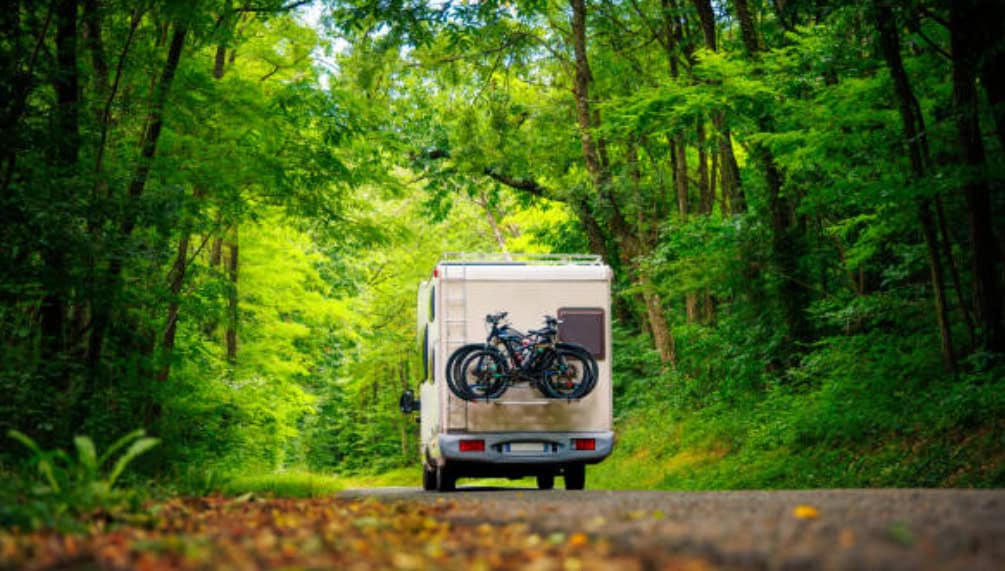
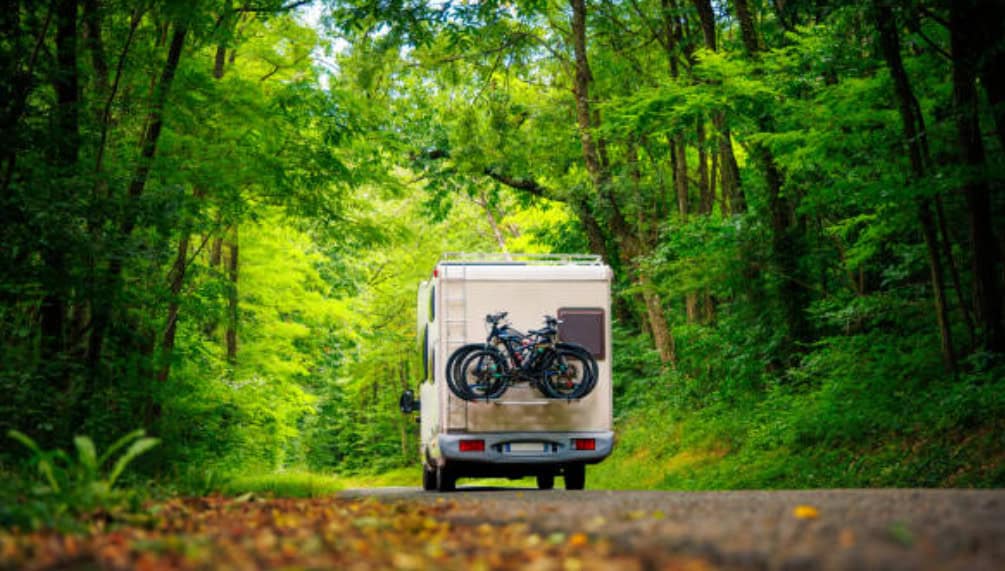 If you think RVing is just for retirees or wealthy travelers, think again! Exploring the world in an RV is one of the most exciting and affordable ways for young adventurers and college students to experience freedom on the open road. Whether it’s a weekend getaway to a national park or a month-long road trip with friends, RVing can fit any budget. All you need is some creativity, a good plan, and a willingness to embrace the adventure. Let’s dive into how you can make RVing fun, affordable, and totally achievable as a young traveler!