Introduction
Embarking on an RV adventure in the snow can be a magical experience, but it requires careful consideration and preparation to ensure a safe journey. Driving your RV in snowy conditions demands a unique set of skills and precautions. In this comprehensive guide, we'll explore essential tips and strategies to help you navigate winter roads confidently and safely with your RV.
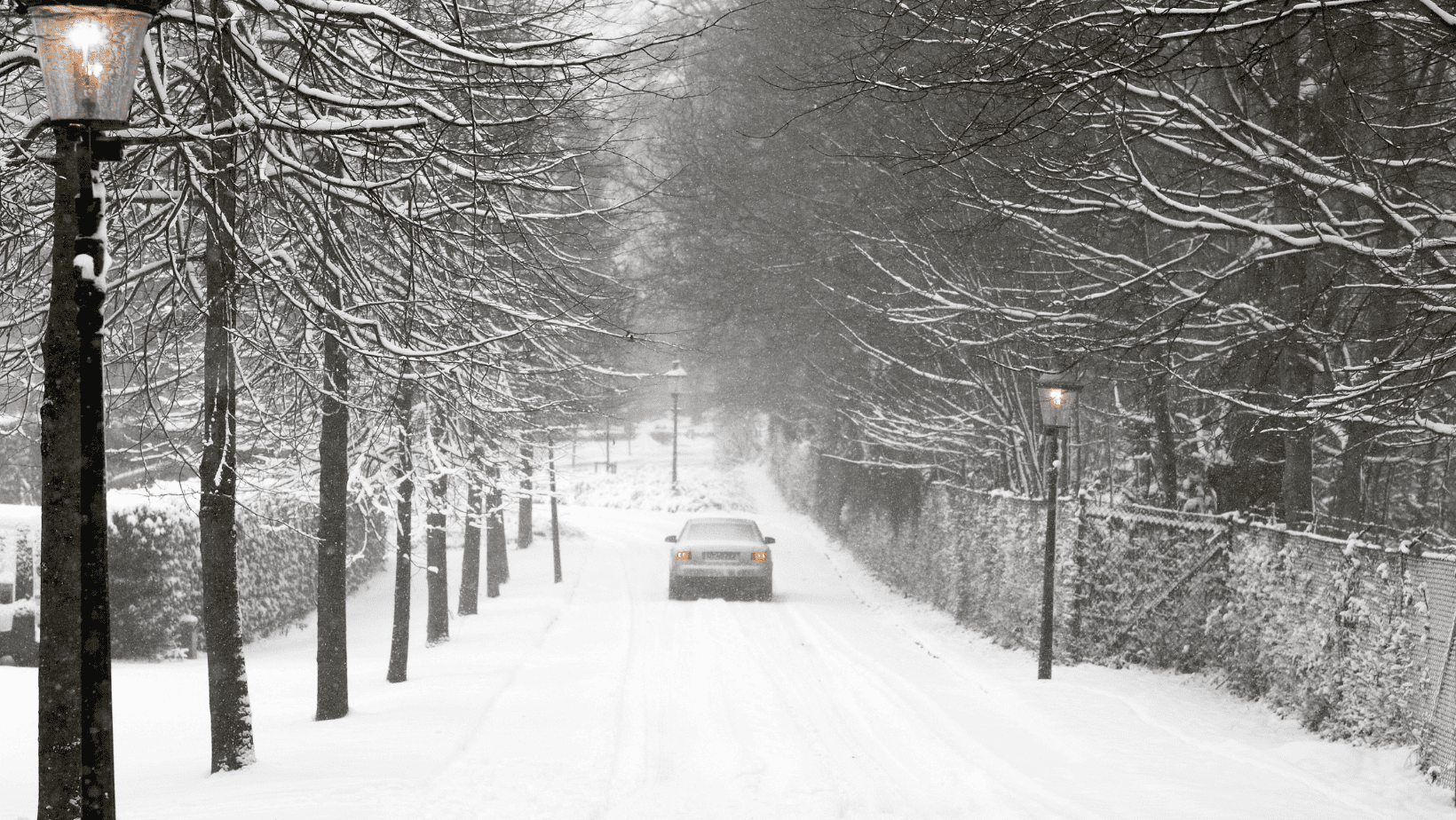 1. Check Weather and Road Conditions
Before hitting the road, thoroughly check the weather forecast and road conditions along your route. Stay informed about potential snowstorms, icy patches, or other weather-related challenges. Plan your travel during daylight hours when visibility is better.
2. Equip Your RV for Winter Driving
Ensure your RV is winter-ready by checking the following:
- Tires: Use snow or winter tires with proper tread depth for improved traction.
- Chains: Carry tire chains and learn how to install them if needed.
- Antifreeze: Verify that your RV's antifreeze is suitable for sub-zero temperatures.
- Battery: Ensure your RV's battery is in good condition as cold weather can affect battery performance.
3. Slow Down and Increase Following Distance
Snow and ice reduce traction, making it crucial to reduce your speed. Drive at a safe, controlled pace, and increase your following distance. Braking distances are longer in snowy conditions, so allow plenty of space between your RV and the vehicle ahead.
4. Brake and Accelerate Gently
Avoid sudden movements with the accelerator or brake pedal. Gradually apply pressure to both when accelerating or coming to a stop to prevent skidding. Use engine braking on downhill slopes when possible.
5. Be Mindful of Black Ice
Black ice, often invisible on the road, can be extremely hazardous. Approach shaded areas, bridges, and overpasses with caution, as these are more prone to black ice formation. Slow down before reaching these areas.
6. Use Lower Gears
Engage lower gears when driving downhill or descending steep slopes. This helps control your speed without relying solely on the brakes, reducing the risk of skidding.
7. Stay Informed About RV Weight Distribution
Maintain proper weight distribution in your RV to enhance stability on snow-covered roads. Ensure that heavy items are secured low and centered to prevent unbalanced weight distribution.
8. Practice Safe RV Parking
Choose safe parking locations where snow accumulation won't obstruct your departure. Park on level ground if possible, and use leveling blocks to prevent your RV from becoming stuck in the snow.
9. Carry Essential Winter Supplies
Pack a winter emergency kit including:
- Blankets and Warm Clothing
- Non-Perishable Food and Water
- Flashlights with Extra Batteries
- Emergency Flares
- Shovel and Ice Scraper
- First Aid Kit
10. Plan for Rest Stops
Fatigue can set in more quickly in winter conditions. Plan for regular rest stops to stretch your legs, stay alert, and assess road conditions.
11. Monitor Propane Usage
In extremely cold temperatures, propane consumption can increase. Keep an eye on your propane levels, especially if you rely on it for heating, and carry extra cylinders if needed.
Conclusion
Driving your RV in the snow requires a combination of preparation, patience, and a vigilant approach to changing road conditions. By staying informed, equipping your RV properly, and adopting safe driving practices, you can enjoy the beauty of winter landscapes while ensuring a secure and enjoyable winter RV adventure.