RVing provides a sense of freedom and adventure, but there are times when you might find yourself needing to empty your RV's wastewater tanks without access to a designated dump station. In such situations, using a house sewer connection can be a practical solution. However, it's crucial to do this correctly to avoid any issues or inconvenience. In this article, we'll explore the process of using a house sewer for RV dumping and provide you with essential tips to ensure a smooth and sanitary experience.
- Ensure Permission:
- Before attempting to use a house sewer for RV dumping, obtain permission from the homeowner or property owner. It's essential to have their consent and establish any specific guidelines they may have.
- Gather the Right Equipment:
- You'll need a sewer hose extension long enough to reach from your RV's dump outlet to the house sewer connection. Ensure you have a well-maintained, durable sewer hose in good condition.
- Use a Proper Adapter:
- Purchase an appropriate RV sewer hose adapter for house sewer connections. This adapter allows you to connect your RV's sewer hose securely to the house sewer inlet.
- Locate the House Sewer Cleanout:
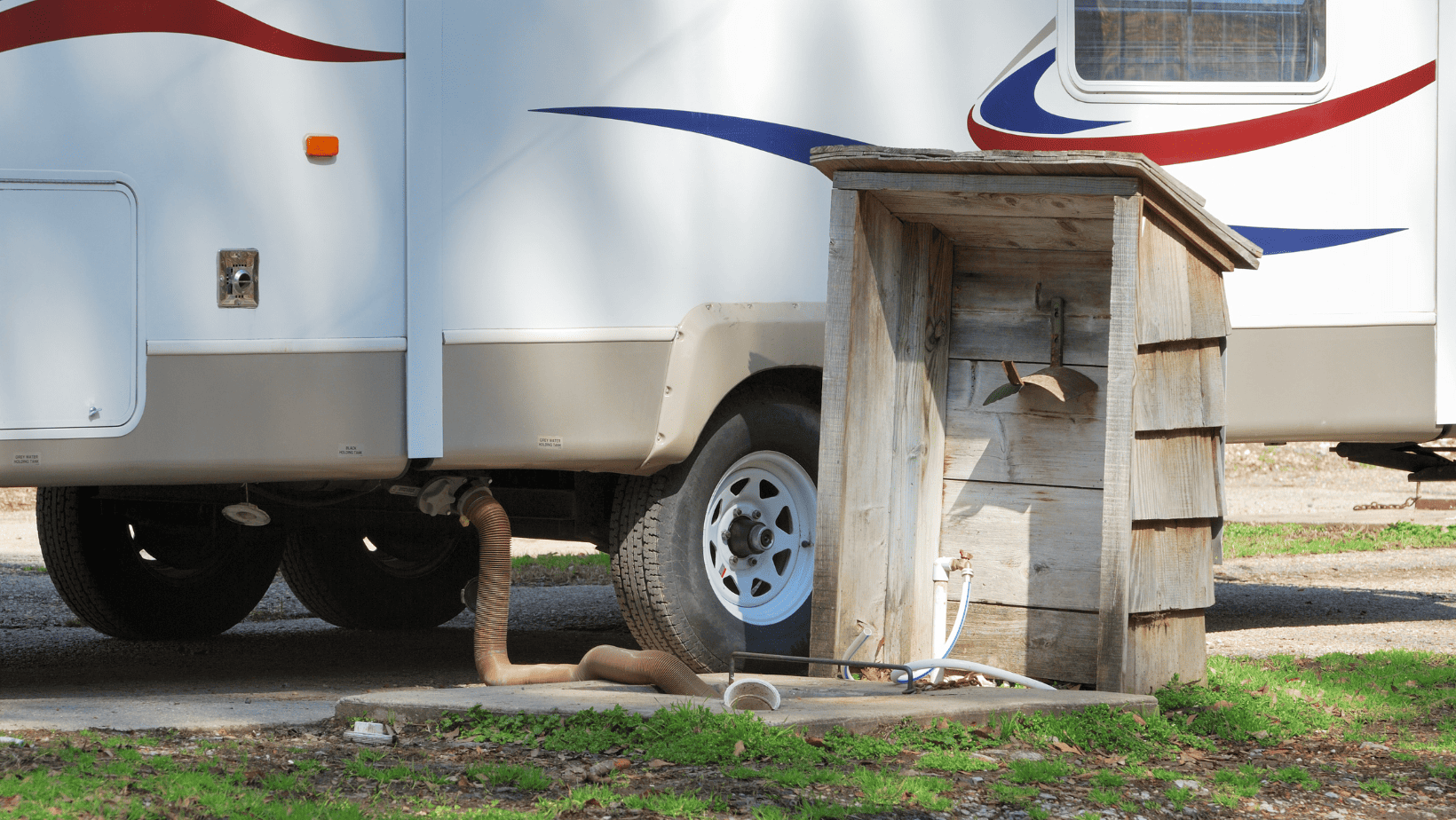
- Identify the house sewer cleanout, which is typically a capped pipe with a threaded or twist-off top. This is where you'll connect your RV sewer hose.
- Wear Protective Gear:
- Always wear disposable gloves when handling your RV's sewage system and connecting it to a house sewer. Safety and sanitation should be a priority.
- Securely Connect the Sewer Hose:
- Attach your RV sewer hose adapter to the house sewer cleanout, ensuring a snug and secure connection. Make sure there are no leaks or gaps that could cause spills.
- Dump Slowly and Carefully:
- Open your RV's black water tank valve first, followed by the gray water tank valve. Allow the contents to flow slowly and steadily into the house sewer. Avoid overwhelming the system to prevent backups or spills.
- Rinse and Clean:
- After emptying the tanks, use a dedicated hose or a separate section of your RV hose to rinse and clean the sewer hose thoroughly. Store it separately from your fresh water hoses to avoid cross-contamination.
- Dispose of Waste Responsibly:
- Be aware of local regulations regarding the disposal of RV waste in a house sewer. Some areas may have specific rules or restrictions, so check beforehand.
- Thank the Property Owner:
- Show appreciation to the homeowner for allowing you to use their house sewer for dumping. A courteous attitude goes a long way in maintaining positive relationships with hosts.
- Have a Backup Plan:
- While using a house sewer can be convenient, it's not always guaranteed. Always have a backup plan and be prepared to locate a designated RV dump station if necessary.
Using a house sewer for RV dumping can be a practical solution when you don't have access to a traditional dump station. By following the steps outlined in this article and ensuring proper permissions and equipment, you can safely and responsibly empty your RV's wastewater tanks. Remember to be considerate of property owners and local regulations, maintaining the integrity of the RVing community and leaving a positive impression wherever you travel.