Fuel is often one of the biggest expenses for RV owners, especially during long trips. With fluctuating gas prices and the hefty appetite of RV engines, keeping fuel costs down can feel like a daunting task. However, with a few smart strategies, you can stretch your fuel budget further and enjoy your journey without breaking the bank. Here’s how to save money on RV fuel costs during long trips.
1. Plan Your Route Wisely
Taking a well-planned route can significantly reduce your fuel consumption.
- Stick to Flat Terrain: Hills and mountains force your engine to work harder, consuming more fuel. Opt for flatter routes when possible.
- Avoid Backtracking: Plan your stops and destinations in a logical order to avoid unnecessary miles.
- Use Navigation Apps: Apps like Google Maps, Waze, or RV-specific tools like RV LIFE Trip Wizard can help you find the most fuel-efficient routes.
Taking the scenic route is great, but balance it with fuel efficiency to save money.
2. Drive at Optimal Speeds
Speeding may get you to your destination faster, but it comes at the cost of fuel efficiency.
- Stay Between 55-65 MPH: Most RVs achieve their best fuel economy in this range. Driving faster increases wind resistance, which forces the engine to burn more fuel.
- Use Cruise Control: On long stretches of highway, cruise control helps maintain a consistent speed, reducing fuel waste.
- Avoid Rapid Acceleration: Gentle starts and stops save fuel and reduce wear on your RV.
A steady pace wins the fuel economy race!
3. Reduce Weight
The heavier your RV, the more fuel it consumes. Lighten the load to save at the pump.
- Declutter Your RV: Remove unnecessary items, especially heavy ones like tools or outdoor gear you won’t need for the trip.
- Empty Tanks: Only travel with the water and wastewater you’ll need until your next stop. Full tanks add hundreds of pounds to your RV.
- Be Selective with Gear: Consider renting bulky items like kayaks or bikes at your destination instead of hauling them with you.
Every pound counts when it comes to saving fuel.
4. Keep Up with RV Maintenance
A well-maintained RV runs more efficiently, helping you get the most out of every gallon of fuel.
- Check Tire Pressure: Underinflated tires reduce fuel efficiency and wear out faster. Use a tire pressure gauge regularly to ensure they’re at the manufacturer’s recommended PSI.
- Change Air Filters: A clean air filter helps your engine breathe better, improving performance and fuel economy.
- Keep the Engine Tuned: Follow your RV’s maintenance schedule for oil changes, spark plug replacements, and other tune-ups.
- Align the Wheels: Proper wheel alignment reduces drag and saves fuel over long distances.
Think of maintenance as an investment—it pays off at the pump!
5. Use Fuel Rewards Programs
Take advantage of discounts and loyalty programs to save on fuel costs.
- Gas Station Rewards Cards: Chains like Pilot Flying J, Love’s, and Shell offer discounts for frequent users.
- RV Membership Programs: Clubs like Good Sam or AAA often provide fuel discounts and other perks.
- Credit Cards with Fuel Rewards: Use a credit card that offers cashback or points for fuel purchases to maximize savings.
Small savings on each fill-up add up over the course of a long trip.
6. Optimize Your Driving Habits
How you drive has a big impact on your RV’s fuel efficiency.
- Limit Idling: Turn off your engine when parked to avoid wasting fuel.
- Coast When Possible: Take advantage of downhill stretches by coasting, but always stay in control.
- Avoid Traffic: Stop-and-go traffic eats up fuel. Travel during off-peak hours or use apps like Waze to avoid congested areas.
Smooth, consistent driving isn’t just safer—it’s also more fuel-efficient.
7. Consider Aerodynamics
RVs aren’t known for their sleek designs, but there are ways to reduce drag and improve fuel efficiency.
- Secure Roof Loads: If you’re carrying items on the roof, make sure they’re tightly secured to minimize wind resistance.
- Use a Wind Deflector: Installing an RV-specific wind deflector can help reduce drag and save fuel.
- Close Windows: Open windows create drag, so keep them closed while driving at higher speeds.
Streamlining your RV’s profile helps you cut through the air more efficiently.
8. Time Your Fuel Stops
Where and when you fill up can impact how much you pay for fuel.
- Avoid Remote Gas Stations: Fuel prices are often higher in isolated areas, so plan your stops in advance to avoid overpaying.
- Use Gas Price Apps: Tools like GasBuddy or Upside can help you find the cheapest gas prices along your route.
- Fill Up Early: Gas prices sometimes rise later in the day, especially in tourist-heavy areas. Stop early to save.
A little planning at the pump can lead to big savings.
9. Use Alternative Energy Sources
Reducing your reliance on your RV’s engine for power can lower overall fuel consumption.
- Invest in Solar Panels: Solar power can handle many of your RV’s energy needs, from lights to small appliances.
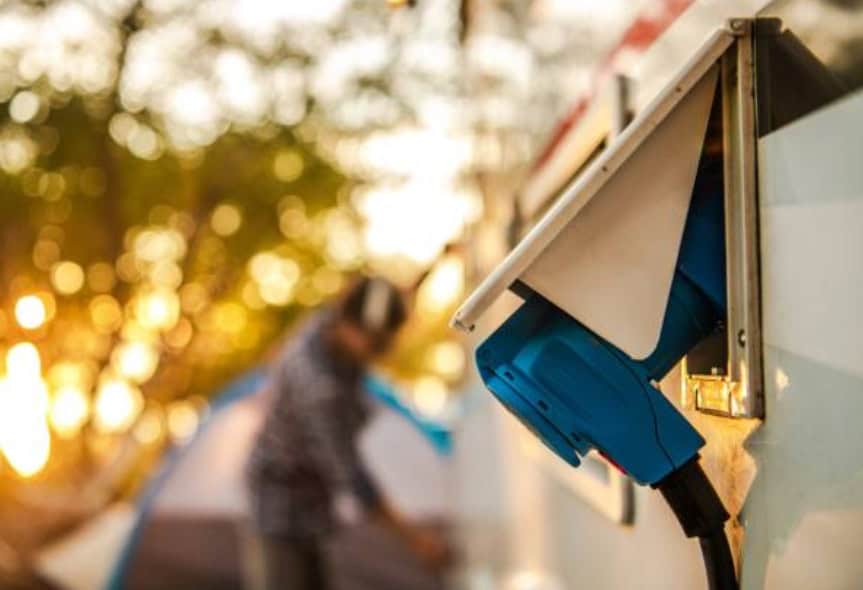
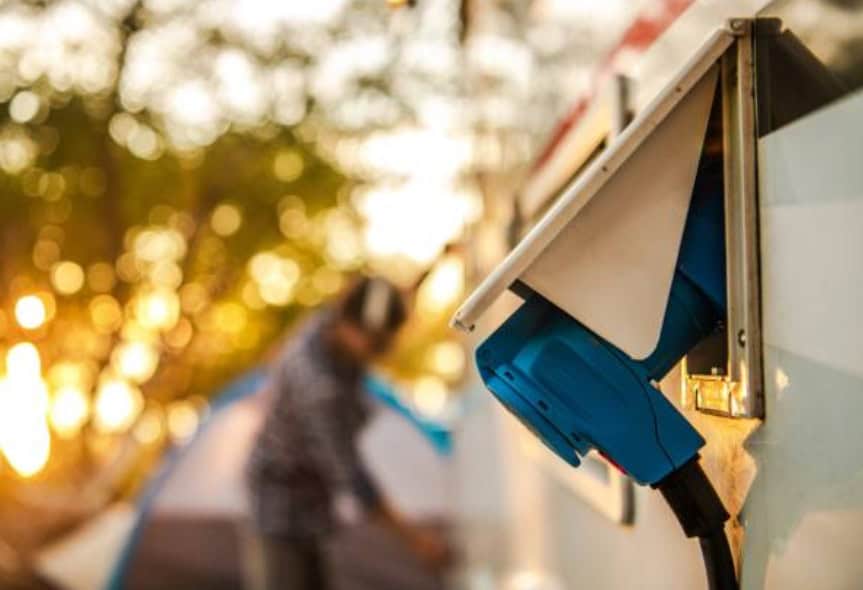
- Use Campground Hookups: When possible, plug into shore power at campgrounds instead of running your generator.
- Bring a Portable Generator: Opt for a fuel-efficient model to reduce strain on your RV’s engine.
Alternative energy sources can pay for themselves over time with reduced fuel costs.
10. Travel During Ideal Conditions
The environment you drive in affects your fuel consumption.
- Avoid Windy Days: Headwinds force your RV to work harder, burning more fuel.
- Drive in Moderate Temperatures: Extreme heat or cold can lower your fuel efficiency as your engine and air conditioning system work harder.
- Time Your Trips Seasonally: Traveling during mild seasons can save fuel and reduce wear on your RV.
Choosing the right time to travel can make a noticeable difference in your fuel costs.
Final Thoughts
Fuel costs don’t have to put a damper on your RV adventures. By following these tips, you can save money at the pump, reduce your environmental impact, and enjoy your journey without worrying about draining your wallet. With a little planning and mindfulness, you’ll be ready to hit the road and make the most of your long trips. Safe travels!