RV enthusiasts know that taking care of your motorhome's plumbing system is essential for a smooth and trouble-free journey. While water pressure is a crucial component of any plumbing system, too much of it can cause significant problems. In this article, we will explore the potential risks and consequences of high-pressure water on your RV plumbing system and offer tips on how to protect your investment.
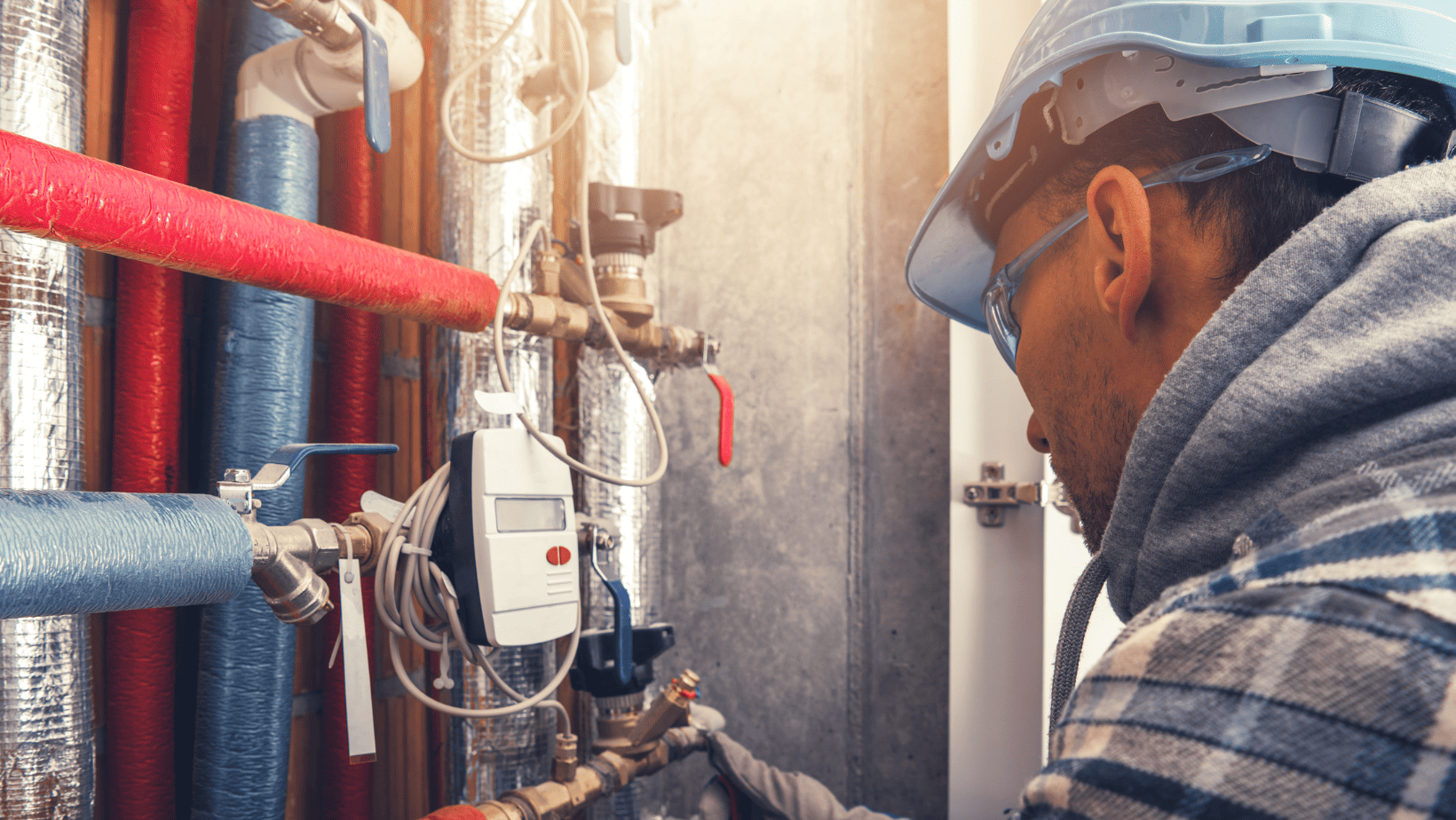
The Dangers of High-Pressure Water:
- Pipe Damage: The most immediate concern with high-pressure water is the potential for damage to your RV's pipes. Excessive pressure can cause pipes to weaken, crack, or burst. This can result in water leaks, which may go unnoticed until significant damage has occurred.
- Fixture Wear and Tear: High water pressure can also wreak havoc on your RV's faucets, showerheads, and other fixtures. It can cause them to deteriorate faster, leading to leaks and reduced functionality.
- Water Heater Stress: RV water heaters are not designed to withstand extremely high water pressure. Excessive pressure can strain the water heater, leading to leaks or, in severe cases, a ruptured tank.
- Inconsistent Water Flow: High water pressure can cause inconsistent water flow within your RV. You may experience bursts of strong pressure followed by a sudden drop, making tasks like showering or doing dishes frustrating.
How to Protect Your RV Plumbing System:
- Use a Pressure Regulator: The simplest and most effective way to protect your RV plumbing from high water pressure is by using a pressure regulator. These affordable devices can be easily attached to your water source and limit the pressure entering your RV to a safe level (typically around 40-50 psi).
- Monitor Pressure Levels: Invest in a water pressure gauge to monitor the water pressure at different campsites. This will help you adjust your pressure regulator accordingly.
- Regular Maintenance: Inspect your RV's plumbing system regularly for signs of wear, leaks, or damage. Address any issues promptly to prevent further damage.
- Adjust Your Regulator: Different campsites may have varying water pressure levels. Be prepared to adjust your pressure regulator as needed to maintain a safe and consistent flow of water.
- Protect Your Water Heater: Consider installing a water heater bypass kit, which allows you to bypass the water heater when winterizing your RV. This can prevent high-pressure damage to the water heater when using city water connections.
Signs of High Water Pressure:
It's important to be aware of the signs that your RV may be experiencing high water pressure:
- Banging Pipes: If you hear loud banging noises when you turn on faucets or use water fixtures, it could be a sign of high water pressure causing your pipes to shake.
- Leaking Fixtures: Frequent leaks or dripping from faucets, showerheads, or connections could indicate that high pressure is causing premature wear.
- Inconsistent Water Flow: If you notice that water flow is irregular, with sudden surges or drops in pressure, this may be a sign of fluctuations in water pressure at the campsite.
- Water Heater Issues: A water heater that frequently overheats or experiences pressure relief valve discharge can be a sign of high water pressure.
High-pressure water can pose a significant risk to your RV's plumbing system, potentially leading to costly repairs and inconveniences during your travels. By using a pressure regulator and staying vigilant for signs of high water pressure, you can protect your investment and ensure a more enjoyable RVing experience. Remember that prevention is key, so take the necessary steps to maintain your plumbing system and enjoy worry-free adventures on the road.