Introduction
Imagine RVing to breathtaking, remote destinations without worrying about power sources or campground hookups. RV solar panels make this dream a reality by harnessing the sun's energy to power your RV's electrical systems. Whether you're a seasoned RVer or just starting your RV journey, this beginner's guide to RV solar panels will shed light on how to go solar and unlock the freedom of off-grid adventures.
 Understanding RV Solar Panels
RV solar panels are designed to convert sunlight into electricity, which can be stored in batteries and used to power various appliances and systems in your RV. Here's what you need to know to get started:
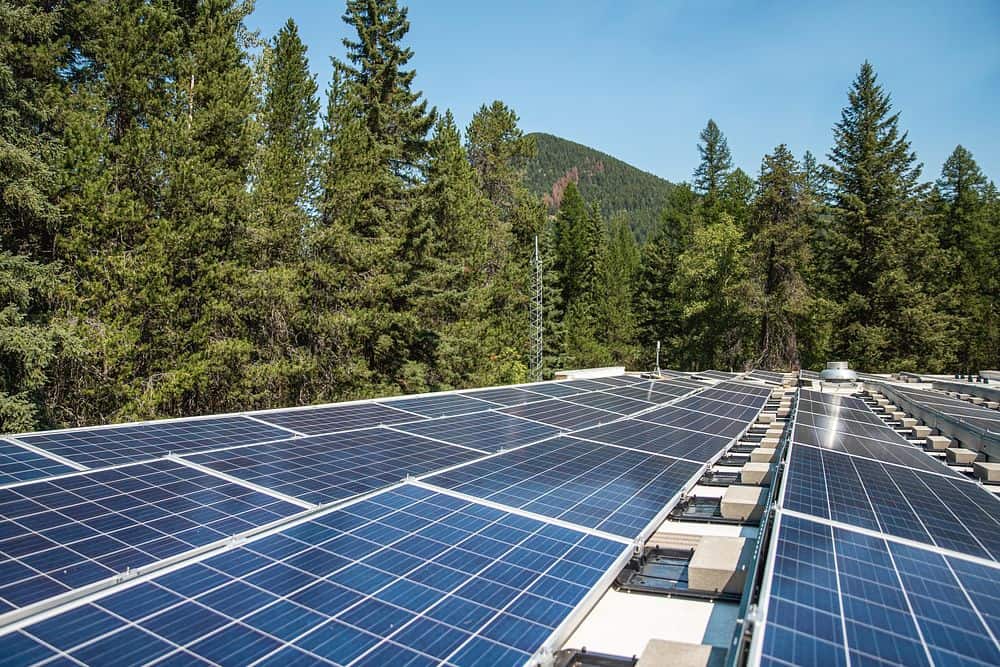
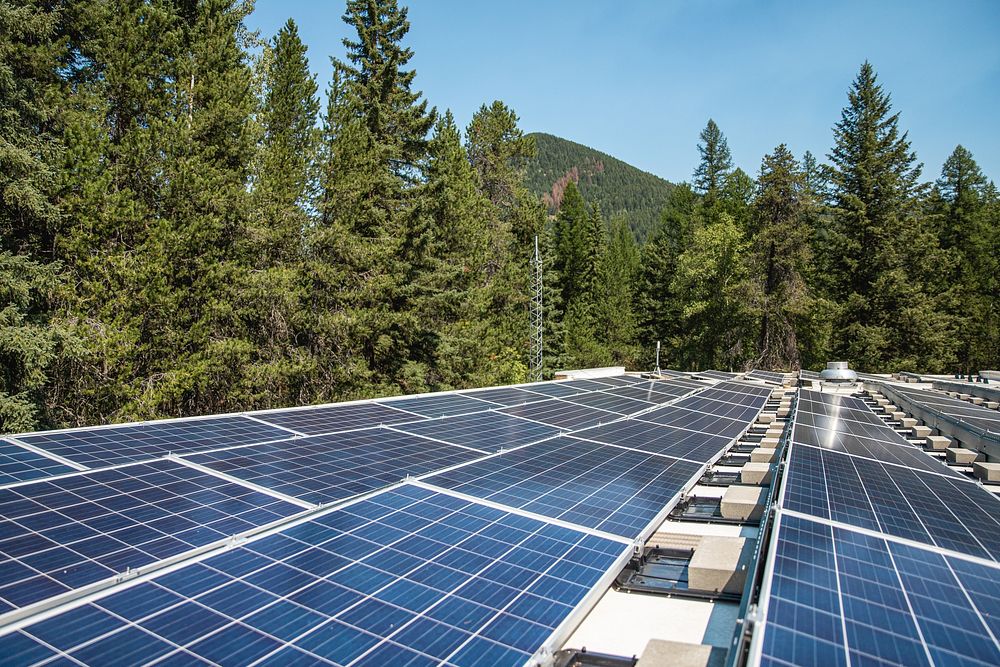
- Solar Panels: Solar panels, also known as solar modules, are made up of photovoltaic cells that capture sunlight and convert it into direct current (DC) electricity. These panels are typically mounted on the roof of your RV.
- Charge Controller: The charge controller regulates the power flowing from the solar panels to the batteries. It prevents overcharging and helps maintain battery health.
- Batteries: RVs equipped with solar panels use deep-cycle batteries to store the electricity generated by the panels. These batteries are designed for regular, deep discharges.
- Inverter: An inverter converts the DC power stored in the batteries into alternating current (AC) power, which your RV's electrical systems use.
Advantages of RV Solar Panels
- Off-Grid Freedom: Solar panels allow you to camp off-grid, reducing your reliance on electrical hookups or generators.
- Quiet and Eco-Friendly: Solar power is silent and doesn't produce harmful emissions, making it an eco-friendly choice for RVers.
- Cost Savings: While the initial investment can be significant, solar panels can save you money in the long run by reducing the need for campground fees or generator fuel.
Steps to Get Started with RV Solar Panels
- Assess Your Power Needs: Calculate your RV's energy consumption to determine how many solar panels and batteries you'll need. Consider the appliances you use and the number of occupants in your RV.
- Choose the Right Solar Panels: Select high-quality solar panels designed for RV use. Monocrystalline panels are known for their efficiency and durability.
- Install the Panels: Most RV solar panel installations involve mounting the panels on the roof. Ensure they are securely fastened and angled for optimal sun exposure.
- Install the Charge Controller: The charge controller is typically installed near the batteries. Connect it to the solar panels and batteries following the manufacturer's instructions.
- Install the Inverter: If you plan to power AC appliances, install the inverter near your RV's electrical panel and connect it to the batteries.
- Wire the System: Connect the components, ensuring proper wiring and polarity. It's a good idea to have a professional inspect your wiring if you're not confident in your electrical skills.
- Test the System: After installation, test your RV solar panel system to ensure it's generating power and charging the batteries.
- Monitor and Maintain: Regularly monitor your system's performance and keep the panels clean to maximize their efficiency.
Conclusion
RV solar panels are a game-changer for those seeking to enhance their RVing experience. They provide the freedom to roam off-grid, enjoy the peace and quiet of nature, and reduce your environmental footprint. With the right equipment and installation, you can harness the sun's energy to power your RV's electrical systems. So, whether you're an eco-conscious traveler or simply someone who craves the tranquility of unspoiled wilderness, RV solar panels are your gateway to a more sustainable and adventurous way of RVing.