Introduction
Embarking on an RV adventure brings the joy of exploration but also requires a bit of technical know-how. One common question that arises among RV enthusiasts is whether their air conditioner will run seamlessly on 110V electric power. In this guide, we'll delve into the intricacies of RV air conditioners, deciphering the compatibility with 110V electrical systems. Whether you're a seasoned RVer or a novice, understanding the power dynamics is crucial for a comfortable and stress-free journey.
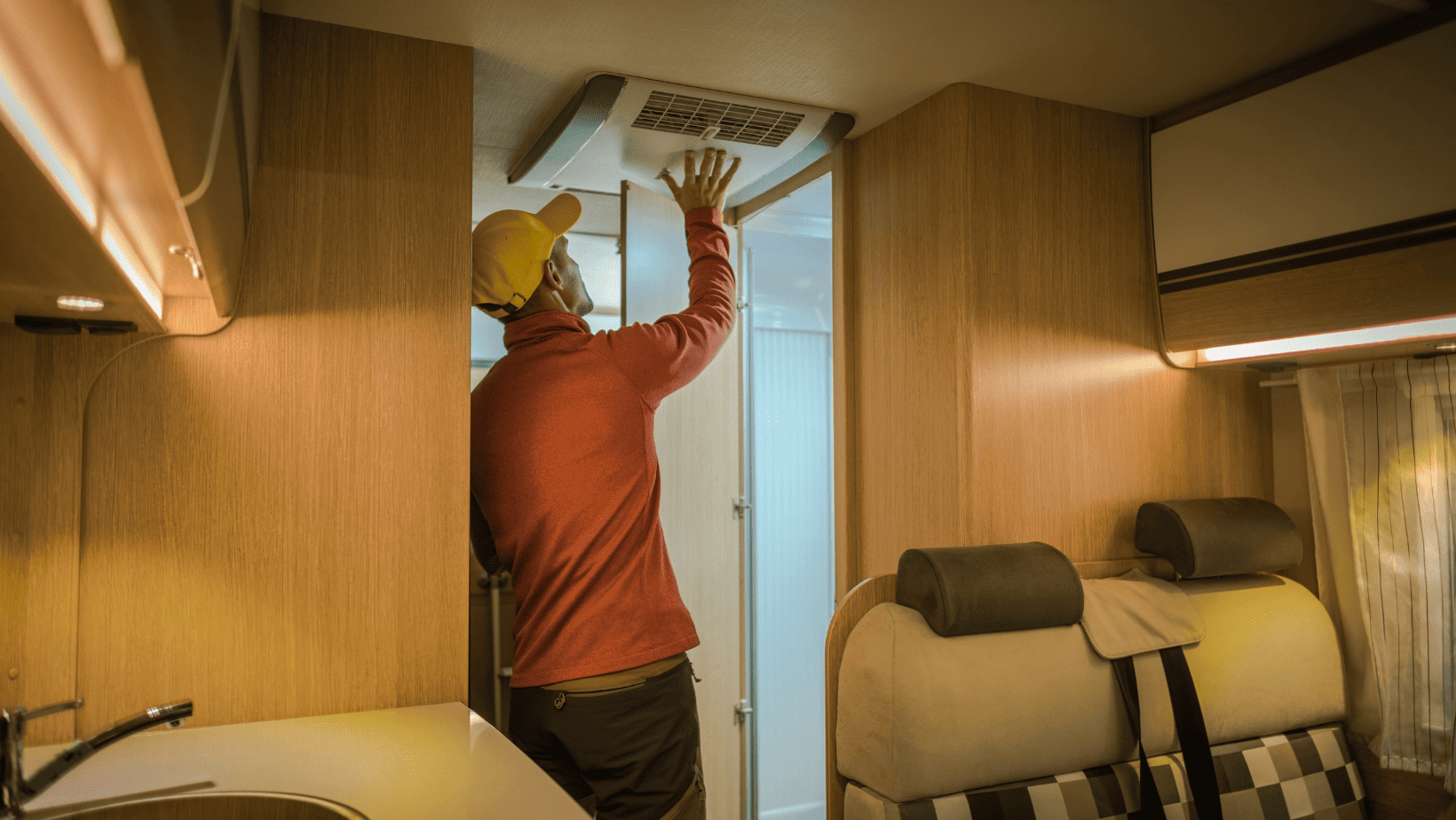 The Basics of RV Air Conditioners
RV air conditioners, like their counterparts in homes, are designed to cool the interior space efficiently. They come in various types, including roof-mounted units, low-profile models, and those equipped with heat pump functionality for both cooling and heating.
Power Sources for RV Air Conditioners
RVs are equipped to draw power from different sources, and understanding these sources is key to ensuring your air conditioner operates smoothly.
- Shore Power:
- When parked at a campground or RV park, you can connect your RV to shore power, typically providing 30 or 50 amps at 110V. This is the most common and reliable source for running your RV appliances, including the air conditioner.
- Generator Power:
- Many RVs come equipped with onboard generators. These generators are designed to supply the necessary power, and they typically produce 110V electricity. Running your air conditioner while boondocking or without access to shore power is possible with a functioning generator.
- Inverter Systems:
- Some RVs feature inverter systems that convert DC power (such as from batteries) to AC power. While not all inverters can handle the high power demand of air conditioners, some RVs are equipped with inverters capable of providing 110V power for appliances, offering flexibility when shore power or a generator is not available.
- Solar Power:
- For the eco-conscious RVer with a solar setup, it's important to note that while solar systems primarily generate DC power, inverters can convert this to 110V AC power. This can potentially power your air conditioner, but the capacity of the solar and inverter system must be sufficient for the air conditioner's demands.
Powering Your RV Air Conditioner with 110V: What to Consider
- Check Your Air Conditioner's Specifications:
- Different RV air conditioner models have varying power requirements. Check the specifications of your specific unit to ensure it is designed to run on 110V power.
- Inverter Capacity:
- If your RV is equipped with an inverter system, verify its capacity. Some inverters may not handle the high wattage needed to power an air conditioner, so it's essential to understand the limitations of your RV's inverter.
- Generator Output:
- If you rely on a generator for power, make sure it provides the necessary 110V output. Most RV generators are designed to produce power compatible with standard RV appliances, including air conditioners.
- Shore Power Compatibility:
- Shore power at campgrounds typically offers 30 or 50 amps at 110V. Ensure that your RV's electrical system is compatible with the available shore power to run your air conditioner smoothly.
- Consider Energy Consumption:
- Air conditioners draw a significant amount of power. Be mindful of other appliances and devices running simultaneously, as exceeding your RV's power capacity may lead to tripped breakers or other issues.
Tips for Efficient Air Conditioner Use
- Energy-Efficient Appliances:
- Consider upgrading to energy-efficient appliances, including air conditioners, to reduce overall power consumption.
- Proper Maintenance:
- Regularly maintain your RV air conditioner to ensure it operates efficiently. Clean filters, coils, and vents contribute to optimal performance.
- Temperature Settings:
- Set your air conditioner to a comfortable but not excessively low temperature. This helps conserve energy and ensures the unit doesn't have to work harder than necessary.
- Shade Your RV:
- Parking your RV in the shade or using window shades can reduce the heat load on your air conditioner, allowing it to operate more efficiently.
- Use Fans:
- Circulating air with fans can help distribute cool air more evenly throughout your RV, allowing you to set the thermostat a bit higher without sacrificing comfort.
Conclusion: A Cool and Informed Journey Awaits
Understanding the compatibility of your RV air conditioner with 110V power systems is a fundamental aspect of a comfortable and enjoyable RV experience. Whether you're hooked up to shore power, relying on a generator, or harnessing solar energy, knowing how to power your air conditioner efficiently ensures that you stay cool even in the warmest destinations.
As you plan your next RV adventure, take the time to familiarize yourself with your RV's electrical system and the specific requirements of your air conditioner. Whether you're navigating the open road or parked beneath the stars, a well-powered and efficiently operated air conditioner is your ticket to a cool and refreshing journey.