Why Flood Awareness Is Every Camper's Responsibility
Great news is spreading across the camping community — Texas counties are investing in flood warning infrastructure at parks, with one county recently securing $1.25 million to install emergency sirens at campgrounds. This kind of investment is a powerful reminder that campground safety is a shared effort between park managers, local governments, and — most importantly — you, the camper. Whether you're rolling in with a 40-foot motorhome or pitching a tent under the stars, understanding flood risks before and during your trip could save your family's life.
At CampgroundViews.com, we want every camping adventure to end with a car full of happy memories, not a close call. So let's talk about what families need to know about camping in flood-prone areas — and how to prepare like a pro.
Understanding the Flood Risk at Campgrounds
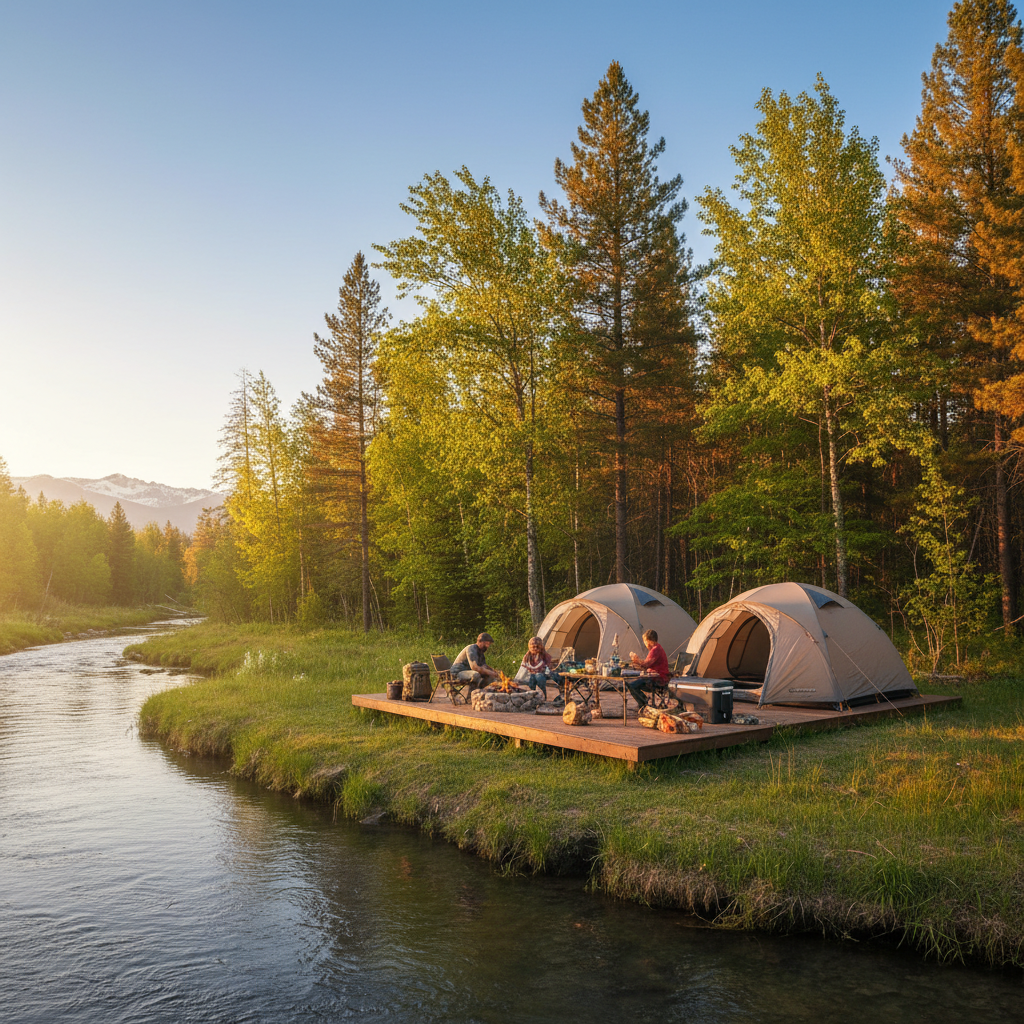
Campgrounds are almost always near water — that's part of their charm! Rivers, lakes, creeks, and coastal areas make for stunning scenery and endless recreation. But that same proximity to water means many campgrounds sit in low-lying floodplains that can transform quickly during heavy rain events.
Flash floods are particularly dangerous because they can strike with little warning, even when skies above your campsite look perfectly clear. Storms miles upstream can send a wall of water rushing through a canyon or river valley in a matter of minutes. This is exactly why investments in flood warning siren systems — like the one recently funded in Texas — are so critical for camper safety.
Before You Book: Research Flood Risk Like a Pro
Preparation starts long before you pull out of the driveway. Here's how to assess flood risk when planning your camping trip:
- Check campground elevation and terrain: When browsing campgrounds on CampgroundViews.com, look for virtual tours that show the lay of the land. Campsites on higher ground or away from creek banks are generally safer during rain events.
- Read recent camper reviews: Real campers often share firsthand accounts of weather events and how the campground handled them. Look for mentions of drainage, flooding history, or staff responsiveness.
- Consult FEMA flood maps: The FEMA Flood Map Service Center allows you to check whether a campground lies within a designated flood zone before you book.
- Monitor the forecast closely: Check weather not just at your campsite location, but upstream. Apps like Weather.gov and Rain Alarm can alert you to precipitation events in your broader region.
At the Campground: Set Up Smart
Once you arrive, make smart choices about where and how you set up camp. Even in unfamiliar campgrounds, a few simple observations can make a big difference:
- Avoid low-lying areas near waterways: That creekside site may look idyllic, but give yourself buffer. Choose sites on slightly elevated ground whenever possible.
- Note your escape routes: As soon as you arrive, identify at least two ways to exit the campground quickly on foot and by vehicle. Know where higher ground is.
- Locate emergency equipment: Find out where emergency sirens, campground host stations, and first aid kits are located. Many modern campgrounds now have dedicated emergency assembly points.
- Don't ignore camp host updates: Camp hosts are your frontline safety resource. Introduce yourself and ask about any weather concerns or park-specific flood protocols.
During a Flood Warning: Act Fast, Stay Calm
If sirens sound or you receive a flash flood warning on your phone, act immediately. Do not wait to see water before you move. Follow these steps:
- Grab your go-bag with essentials (documents, medications, phone charger, water).
- Move to high ground immediately — never try to drive or walk through floodwater.
- Account for every member of your group, including pets.
- Follow campground staff directions without delay.
Build a Family Camping Emergency Kit
Every camping family should travel with a basic emergency kit that includes a battery-powered weather radio, flashlights, a first aid kit, emergency contact information, a printed area map, and at least one full day of water and food supplies. Practice a quick-pack drill with your kids so everyone knows what to grab if you need to leave fast.
The Bottom Line: Great Campgrounds Take Safety Seriously
Investments like Texas's new flood warning sirens signal a growing commitment to camper safety across the country — and that's something to celebrate. As you plan your next adventure, use tools like CampgroundViews.com to research campgrounds thoroughly, take virtual tours to understand the terrain, and read real traveler reviews. Pair that research with smart preparation, and your family can enjoy all the magic of camping near water with confidence and peace of mind. Happy — and safe — camping!