When the Campground Is Closed, the Adventure Gets Better
If you've been following the news out of Rocky Mountain National Park, you've probably heard about the Moraine Park Campground utility rehabilitation project. It's the kind of infrastructure update that's absolutely necessary — aging water lines, electrical hookups, and sewer systems need love just like any other aging infrastructure — but it also means one of Colorado's most beloved campgrounds is temporarily off the table for many campers.
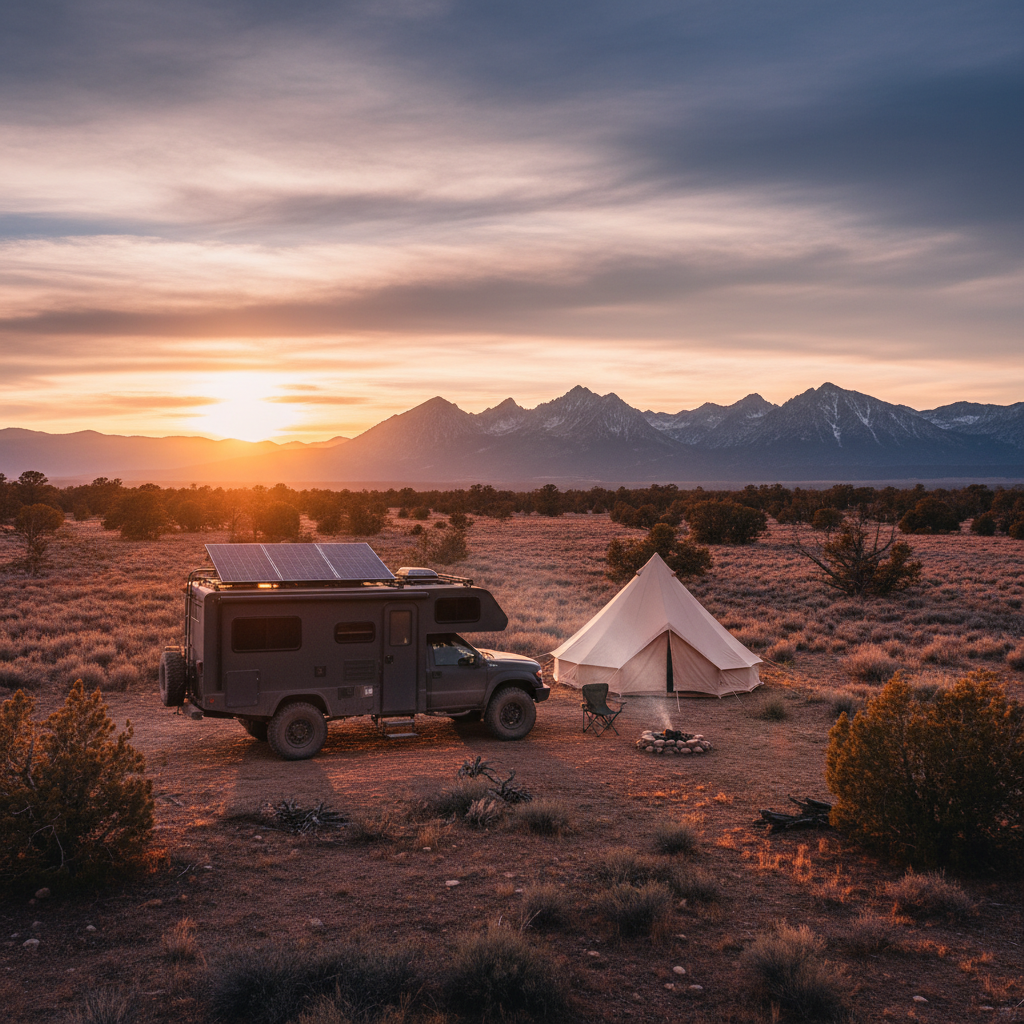
So what do you do when your go-to spot is wrapped in caution tape and construction equipment? You go off-grid. You go boondocking. And honestly? You might never look back.
What Exactly Is Boondocking?
Boondocking — also called dry camping or dispersed camping — simply means camping without hookups. No water, no electricity, no sewer connections. You're relying entirely on what you bring with you and what your rig can handle. For tent campers, this is practically second nature. For RVers who are used to full-hookup sites, it's a whole new world that opens up thousands of stunning, crowd-free locations across North America.
The good news? CampgroundViews.com has thousands of listings for dispersed and dry camping sites across public lands, so finding your next self-sufficient basecamp is easier than ever.
Essential Gear for Going Off-Grid
Whether you're tent camping in a national forest or parking your Class A on BLM land, these basics will make or break your boondocking experience:
- Water storage: Fill every container you have before you leave. A general rule is one gallon per person per day, plus extra for cooking and washing.
- Solar panels or a generator: Even a small 100-watt solar panel can keep your phone charged and run LED lighting for days. For RVers, a robust solar setup with a quality battery bank is a game-changer.
- Portable waste solutions: A composting toilet or cassette toilet is invaluable for extended dry camping. Practice Leave No Trace principles and always pack out what you pack in.
- Portable power stations: Brands like Jackery, EcoFlow, and Bluetti make compact units that can power small appliances, CPAP machines, and device charging without running a noisy generator.
- Food that doesn't need refrigeration: Stock up on freeze-dried meals, canned goods, and shelf-stable snacks to reduce your dependence on a powered refrigerator.
Finding the Best Boondocking Spots Near National Parks
Here's a pro tip that experienced overlanders and RVers swear by: when a national park campground closes for renovations, the surrounding national forests and BLM land often becomes the best-kept secret in the region. In the case of Rocky Mountain National Park, the Arapaho and Roosevelt National Forests surrounding the park offer incredible dispersed camping opportunities — often just minutes from the park entrance, with zero nightly fees.
Use CampgroundViews.com to explore nearby campgrounds and read reviews from campers who've already scouted the area. Our virtual tours feature at 3,600+ locations means you can preview a site before you ever pull out of the driveway — an invaluable tool when you're heading somewhere new.
Boondocking Etiquette and Leave No Trace
Self-sufficient camping comes with a responsibility to protect the wild places that make it possible. Keep these principles in mind:
- Stay on established roads and pull into existing clearings — don't blaze new paths with your vehicle.
- Follow the 14-day stay limit rule that applies to most BLM and national forest dispersed camping areas.
- Pack out every piece of trash, including micro-trash like twist ties and food wrappers.
- Use a camp stove instead of a campfire when fire restrictions are in place.
- Keep noise levels down — you're likely the only one out there, and wildlife appreciates the quiet too.
Turn a Campground Closure Into Your Best Trip Yet
Campground rehabilitation projects like the one at Moraine Park are temporary inconveniences that lead to long-term improvements for every camper who visits after. In the meantime, treat the closure as your personal invitation to level up your camping skills, explore new terrain, and discover the magic of camping completely on your own terms.
Ready to find your next boondocking adventure? Browse dispersed camping areas, dry camping sites, and off-grid-friendly campgrounds across North America at CampgroundViews.com — and take a virtual tour before you go.