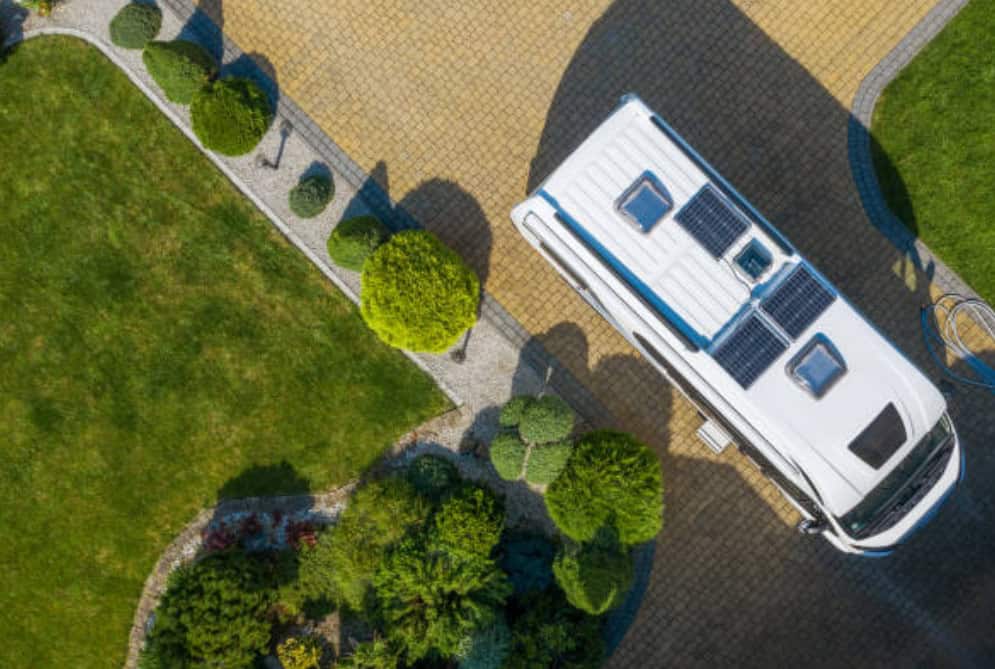
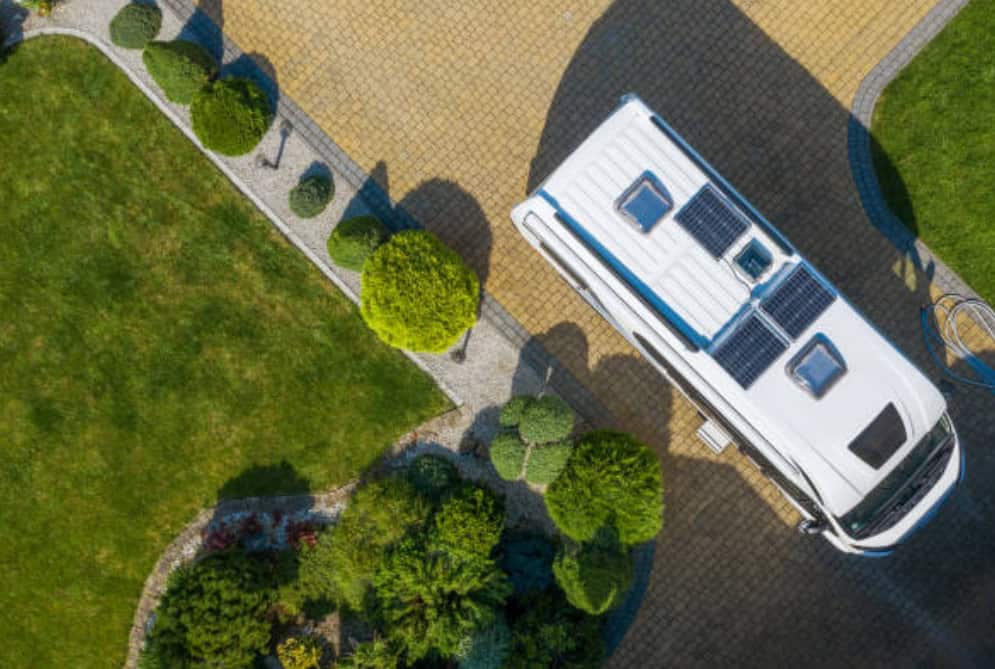
 Your RV roof is one of the most important parts of your vehicle—it protects you from the elements and keeps everything inside dry and comfortable. However, constant exposure to the sun, rain, wind, and debris can take a toll on it over time. Regular maintenance is key to avoiding costly repairs and ensuring your roof lasts as long as your RV. Here’s a guide to keeping your RV roof in great shape.
1. Know Your RV Roof Type
Before diving into maintenance, it’s essential to understand the type of roof your RV has. Different materials require different care methods.- Rubber Roof (EPDM or TPO): These are common in modern RVs because they’re lightweight and affordable.
- Fiberglass Roof: Durable and easy to clean, but prone to cracks if not maintained.
- Aluminum Roof: Long-lasting and resistant to weather damage but requires regular inspections for dents and corrosion.
2. Perform Regular Inspections
Inspecting your RV roof regularly is the first step to preventing damage.- Frequency: Check your roof at least every three months and after major trips or storms.
- What to Look For:
- Cracks or tears in the roofing material.
- Loose or damaged seals around vents, skylights, or air conditioners.
- Signs of mold, mildew, or discoloration.
- Accumulated debris, like leaves or branches.
3. Keep It Clean
A clean roof not only looks good but also prevents dirt and debris from causing damage over time.- How to Clean:
- Use a soft-bristle brush or sponge with a non-abrasive cleaner designed for your roof type.
- Avoid harsh chemicals or pressure washers, which can damage the material.
- Rinse thoroughly to remove all soap residue.
- Frequency: Clean your roof every 3-6 months or more often if you’re parked under trees.
4. Maintain Seals and Caulking
The seals and caulking around vents, skylights, and other roof openings are vulnerable to wear and tear.- Inspect Regularly: Look for cracks, gaps, or peeling caulk.
- Reapply as Needed: Use a sealant compatible with your roof material to patch up any weak spots. Self-leveling sealants work well for flat surfaces.
- Check for Leaks: Water stains on your RV’s ceiling are a sign that seals may need immediate attention.
5. Protect Against UV Damage
Sun exposure can cause your roof material to deteriorate, especially rubber roofs.- Apply Roof Coating: A UV-resistant roof coating creates a protective barrier and extends the life of your roof.
- Use an RV Cover: When your RV is in storage, a breathable cover can protect it from the sun and other elements.
- Park Smart: Whenever possible, park in shaded areas to reduce direct sunlight exposure.
6. Remove Debris Promptly
Debris like leaves, branches, and bird droppings can trap moisture and lead to damage over time.- After Storms or Trips: Inspect and clean your roof to remove any debris.
- Regular Maintenance: Trim overhanging branches at campsites to prevent buildup.
7. Avoid Overloading Your Roof
Your RV roof is designed to hold some weight, but overloading it can lead to structural damage.- Check Weight Limits: Consult your RV manual to find the maximum weight your roof can handle.
- Use Caution: If you need to walk on your roof, distribute your weight evenly and avoid stepping near vents or skylights.
8. Prepare for Winter
Winter can be especially tough on RV roofs, so extra care is needed during colder months.- Remove Snow: Use a soft, long-handled brush to clear snow buildup, as excess weight can strain the roof.
- Prevent Ice Dams: Keep your roof free of ice to avoid water pooling and leaking into the RV.
- Inspect After Thaws: Check for cracks or tears caused by freezing and thawing cycles.
9. Address Issues Immediately
Small problems can quickly escalate into costly repairs if left unattended.- Act Fast: Fix minor tears, cracks, or leaks as soon as you notice them.
- Consult a Professional: If you’re unsure how to handle a repair, seek help from an RV technician to avoid causing further damage.
10. Schedule Professional Inspections
While DIY maintenance goes a long way, professional inspections are still valuable.- Annual Checkups: Have a professional inspect your roof once a year to catch issues you might miss.
- Before Major Trips: Get an inspection before long journeys to ensure everything is in top shape.
Your RV roof is your first line of defense against the elements, so taking care of it should be a top priority. With regular cleaning, inspections, and maintenance, you can prevent costly damage and keep your RV in great condition for years to come. Whether you’re a weekend camper or a full-time RVer, these simple steps will help you enjoy worry-free adventures under a solid roof. Happy travels! 🛠️🚐